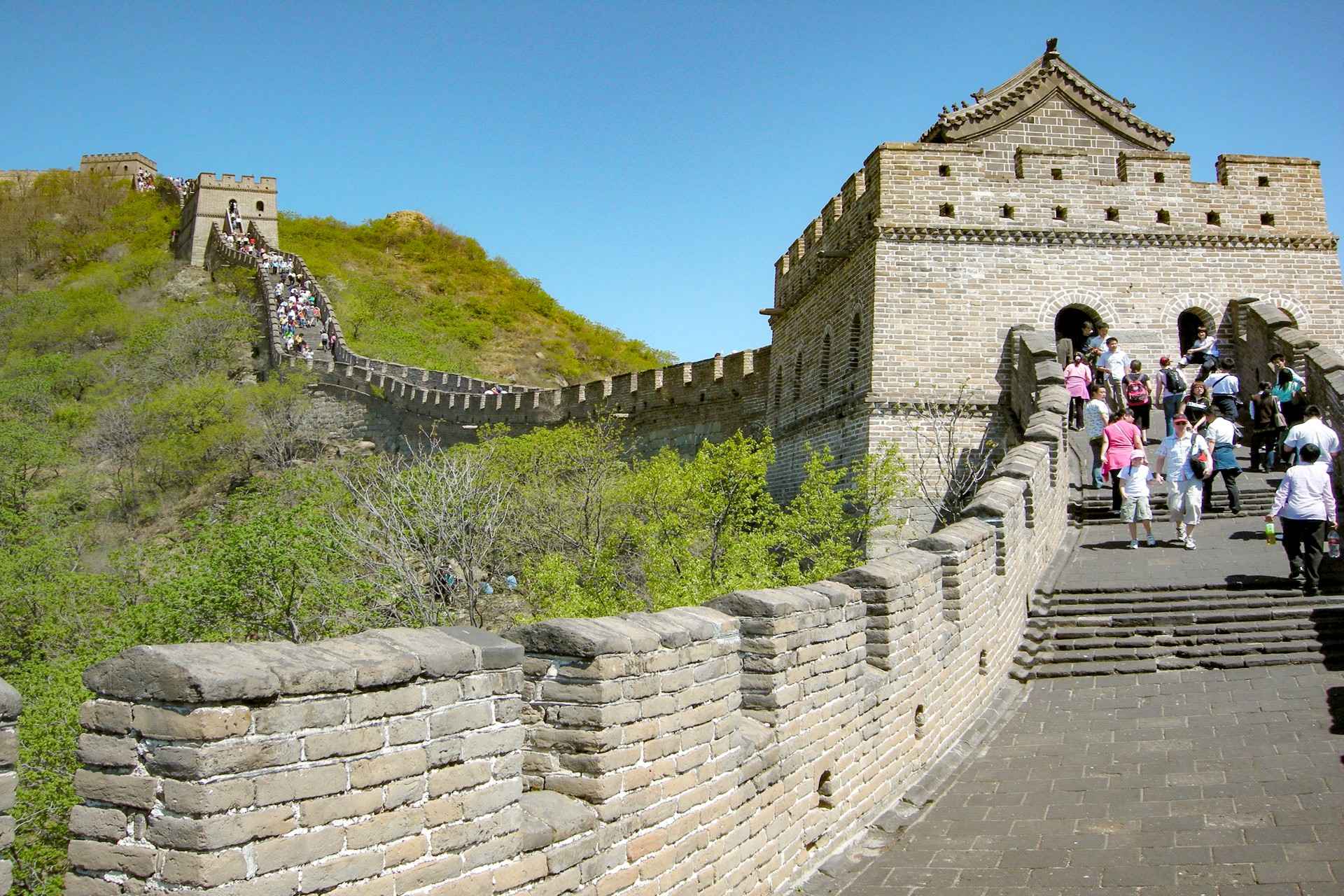
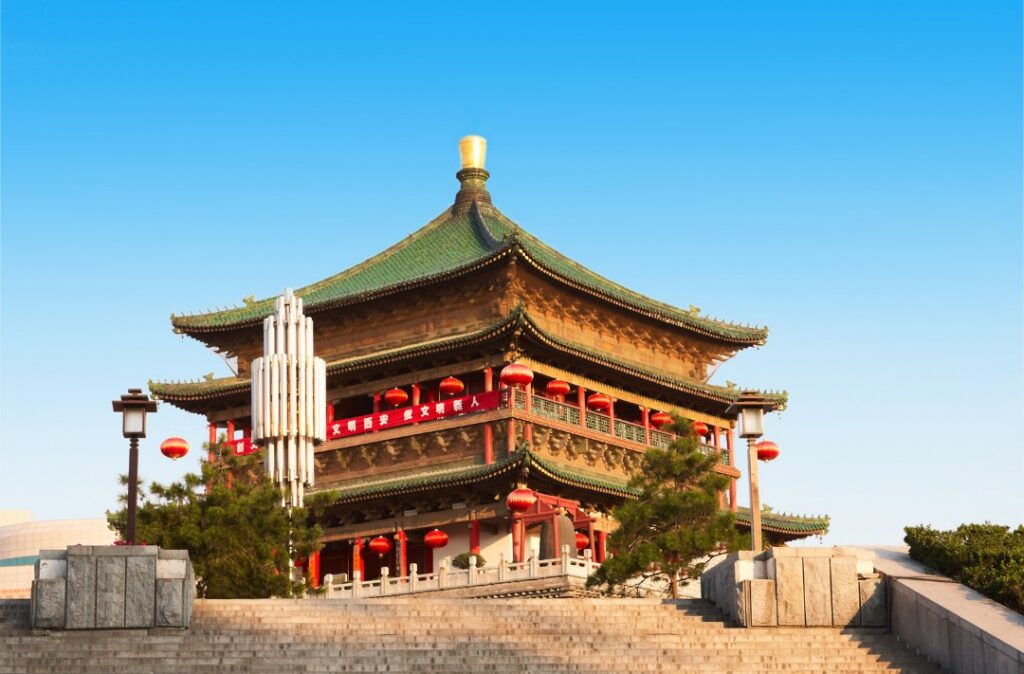
Marvel at the vast expanses of Tiananmen, the Forbidden City and the Temple of Heaven. Take a day trip out of the city to climb the Great Wall at Mutianyu or Jinshanling then top off the evening by attending a Beijing Opera performance or sample succulent Beijing Duck (the real thing is lightyears from what you may have experienced in the west!).
2-3 flights daily, Train daily (41 hours)
Overview
Picture gallery
1 / 1
Know before you go
- A valid Chinese visa is required before we apply for your Tibet Travel Permit. Timing is confirmed once your itinerary is set.
- Foreign visitors travel with a licensed guide in Tibet. Ours are Tibetan or long-resident specialists who know the routes and permit rules.
- This journey is rated Easy. We pace days for acclimatisation and will be honest if a route is unrealistic for your group.
- Allow City add-on on the plateau, plus international arrival and departure days either side if flying via mainland China or Nepal.
- Altitude rises quickly after Lhasa. We build in rest where it matters and brief you on preparation before departure.
Questions
Visas, guides, altitude, and how booking works — practical answers before you travel.
Do I need a Chinese visa to travel to Tibet?
Yes. Tibet is part of China, so foreign travellers need a Chinese visa before we can apply for your Tibet Travel Permit. If you arrive via a Chinese city (Beijing, Chengdu, Xining and so on), you normally need an individual tourist “L” visa from a Chinese embassy. If you arrive from Nepal, you typically need a group visa issued in Kathmandu. Once you’ve booked and your arrival plans are set, we’ll send instructions for your route.
How do I get travel permits for Tibet?
We apply for every permit your itinerary needs. The Tibet Travel Permit (TTB) is required to board your flight or train into Tibet, and we send it to Beijing, Chengdu or whichever gateway city you use. Once you arrive, your guide handles the on-the-ground paperwork. Everest, Mount Kailash, Guge and parts of eastern Tibet need extra permits, which we list when we propose your route.
Can I change plans at the last minute or after arrival?
Big changes are hard, because your permits name your itinerary, places of visit and arrival city. Small swaps inside Lhasa are usually fine, for example visiting a thangka workshop instead of Drepung. If your dates or regions might shift, tell us early.
Must I travel with a guide?
Yes. Foreign visitors in Tibet must travel with a locally licensed guide. A Tibetan guide meets you at Lhasa airport, the train station or the land border and stays with you. Ours work directly for us, are trained and experienced, and speak English. They won’t follow you around every minute, but you’ll need one for monasteries and anywhere outside Lhasa. Rules on independent wandering change over time, so your guide will explain what applies now. Their knowledge of places and customs is a big part of the trip.
Can I use local public transport?
Generally no. Foreigners must use private vehicles licensed for tourist use. In Lhasa you can take taxis or rickshaws around the city. Older guidebooks that suggest travelling solo by public transport are out of date, and the guide and vehicle rules have been enforced for years.
What vehicles will we use?
We use a car, van, minibus or bus, depending on your route and group size. Most tourist roads, including those toward Kailash, Guge and Everest, are paved and in good condition, so a 4WD is rarely needed. Our drivers know the plateau roads well and can fix a breakdown. Their English varies, but they know the best photo stops.
Will I be affected by altitude?
Lhasa is at about 3,650m, and a mild headache or nausea on arrival is common. It’s hard to predict who gets it: age and fitness tell you little, and the same person can react differently on another trip. Younger, fitter travellers often struggle more because they push too hard. Go slowly for the first couple of days, drink plenty of water, and pause on stairs. Lhasa’s hospitals are used to altitude cases, and very few guests can’t complete a well-paced itinerary. Ask your doctor about personal medication before you travel, as we can’t prescribe.
How do you pace high routes like Everest or Kailash?
We schedule acclimatisation days before going higher. Everest and Kailash days are long, so where you sleep matters more than how many sights you tick off. If someone in a private group needs a rest day, we’ll adjust where permits and hotels allow. Tell us about any health concerns when you enquire.
What is travel in Tibet actually like?
Many routes pass through remote areas. Infrastructure keeps improving, but outside the main towns it’s often basic. Western Tibet in particular is tougher than a typical holiday, with harsher conditions and simpler facilities. Weather and road conditions can change plans, and some of the best moments come from that. We’ll tell you plainly what to expect before you book.
Are there rules about politics and photography?
No political activity is allowed. That includes photographing military personnel or installations, commenting publicly on politics, and carrying material linked to exile politics. These are Chinese laws, and booking with us means agreeing to follow them. Guides are held responsible for their guests’ behaviour and can face fines or lose their licence, so please travel carefully and respectfully.
How should I behave in monasteries?
Monasteries are active religious communities. Walk clockwise where that’s the custom, keep your voice low, and ask before photographing statues or monks, as some halls don’t allow cameras. Cover your shoulders and knees. Your guide will brief you before each visit, and you’re never pressured to take part in any religious practice.
How far ahead should I book?
Two to three months ahead is comfortable for permits and peak-season hotels. Festival weeks and popular Everest and Kailash dates fill earlier. Shorter notice is often possible, so email us your dates and we’ll tell you what we can do.
Private journey or fixed departure?
A private trip follows your dates, pace and group size, with your own vehicle and guide. Fixed departures suit solo travellers and small parties who want a set route and shared costs. Both need permits and a licensed guide. Tell us how you’d like to travel and we’ll suggest the better fit.
How do I start planning?
Use the Plan a trip button, or email us your dates, group size and regions. We reply within one business day with options that fit your dates. If a request doesn’t suit the season or the altitude, we’ll say so.
Free quote
Get a personal quote
Beijing
No obligation. Our Lhasa team replies within one business day with dates, pace and a clear price.
Message received
Thank you. We will reply with a quote for this trip.