Everest

Fixed Departure Tibet Overland Tour

See itinerary

12 days · From on request

Request a free quote

Overview

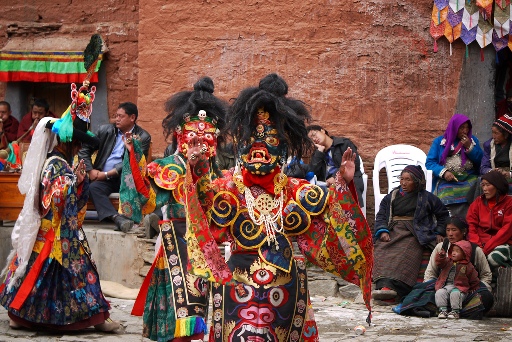
Tiber Overland Tour starting from the Mainland China is the opportunity of a lifetime, no wonder it scores high on the bucket list of most travelers. Tibet is often called the Roof of the World, because it is situated on a high plateau north of the Himalayan range in the western part of China. For centuries it was nearly impossible for foreigners to enter, which created a mysterious image of Tibet and its unique culture. Our trip takes you to a memorable adventure, offering you the opportunity to experience the natural beauty of Tibet, the serenity and wisdom of its Buddhist culture, and the chance to see how Tibetan people – nomads and farmers – manage to make a living in this harsh environment. Either you plan a spiritual journey, a pilgrimage, a cultural tour or dreaming about seeing Mt. Everest and the Himalayan range, this trip have it all.

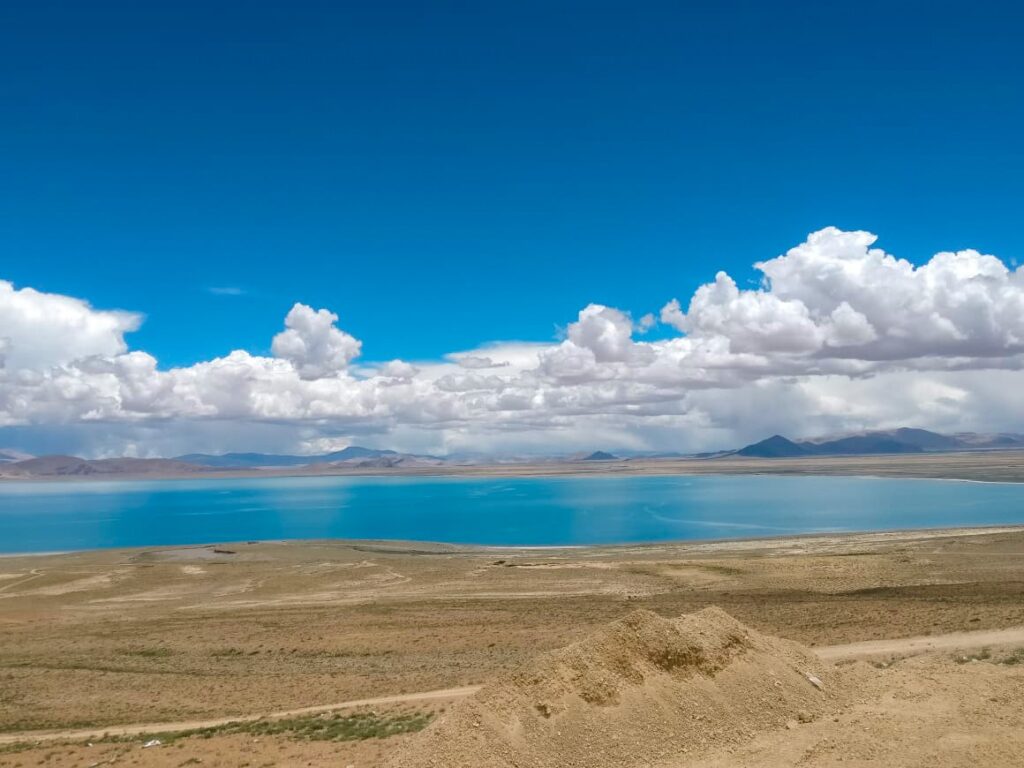
From the temples and monasteries in and around Lhasa, you will travel through high mountain passes of Tibet, visit the famous turquoise lake, the soul-lake of Tibet, learn about traditional life in Gyantse, visit the Panchen Lamas residence in Shigatse, and cross the Trans-Himalayan range to visit Everest Base Camp, where climbers gather every year to conquer the highest peak of the world. The current itinerary is based on the recommendations from our experts and feedback from travelers who made Tibet Overland Tour with us in the last few years. We hope to welcome you soon on your adventure of a lifetime!

Fixed Departure Dates 2023

03 September 2023

17 September 2023

22 October 2023

29 October 2023

12 November 2023

Important Notes on Tibet Overland Tour

. This Joining trip is Guaranteed if confirmed with 02 pax. Maximum Group Size: 15 pax
. The Mainland China Visa and Flights are to be managed at your end, we shall be providing the services only from Lhasa.
. Tibet Permit is delivered to your Hotel address in China, so please provide us the details of your Hotel you are accommodated.
. If you want permit upon arrival at the Airport, additional cost will be applicable.
. You will be joining others in the group at Lhasa.
. Accommodation mentioned in the itinerary is subject to availability. At the time of booking confirmation, we will try to book the same accommodation mentioned. If not, then we will inform you    about the next available hotel of similar category and price.
. Please note that the distance and timings mentioned in the itinerary are for reference purpose only. The actual distance covered and time taken in the journey may change.
. No Refunds in case of any services missed or unused.
Itinerary

Fixed Departure Tibet Overland Tour

Day 1

Arrive Lhasa

Today is the arrival day and no other activities are planned for the day except for group meeting. Appointed Guide will be receiving all group members from the airport or train station and assisting them in checking in hotel in Lhasa. Once all group members are received, guide will do the needful preparation for the first group meeting where he will be briefing all about the trips, do’s and don’ts etc.

Day 2

Sightseeing Tour in Lhasa, Visit Drepung – Nechung, Norbulinka and Sera Monastery.

A full day exploring Lhasa’s most important sites.

Sightseeing Drepung Monastery

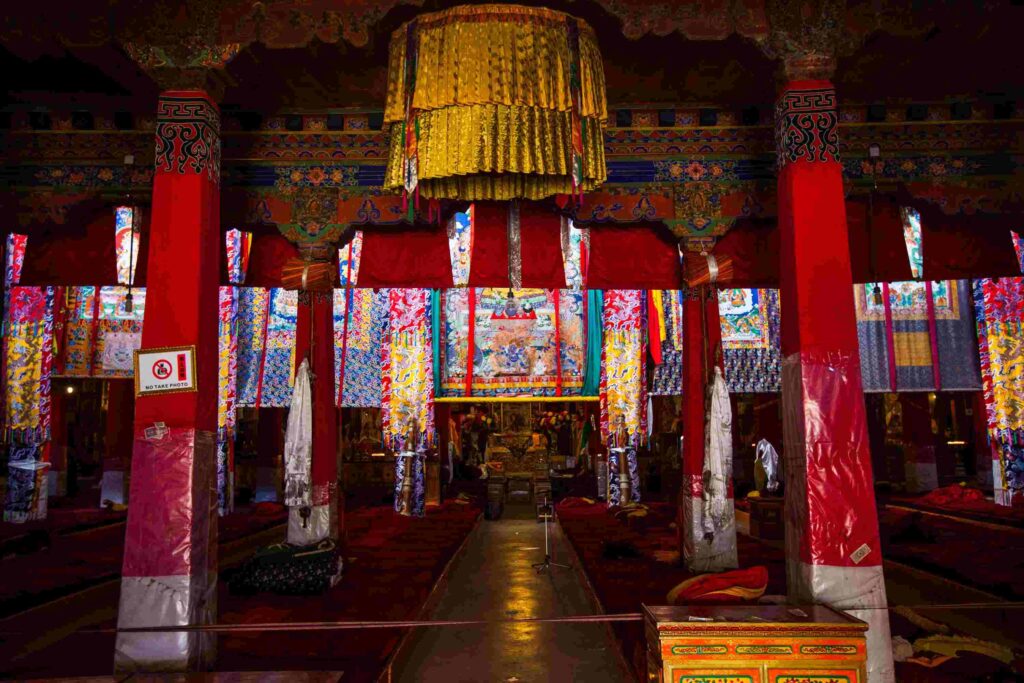
Drepung means rice-heap which comes from the Sanskrit Dhanyakataka, the name of stupa in south India where the Buddha first taught the Kalachakra Tantra. The monastery is located 8 km west of Lhasa. With an area of over 20,000 sqm, its principal buildings are the Tshomchen, the four main tratsangs, and the Ganden Potrang. Each of these has its own residential units, Khangstens and other functional buildings. The major structures follow a simple architectural plan. Each consists of a courtyard, a large hall and inner chapels. Dominated by a high ridge known as Gephel Utse, Drepung was founded by Jamyang Choje in 1416. This celebrated yellow hat lama was born near Samye to a wealthy family (a childhood friend donated large sums for the building of Drepung). With the contribution of rich families and feudal lords, he announced plans to create a great monastery One year after commencement, the monastery had become home to 2000 monks. By the time of the Fifth Dalai lama (1617-82), its population had grown to a staggering 10,000 monks. Pilgrims move through the complex in a clockwise sequence from the parking lot fronting the main entrance: Ganden Potrang, Tshomchen, Ngagpa Tratsang, Jamyang Lhakhang, Loseling Tratsang, Gomang Tratsang, and the Deyang Tratsang.

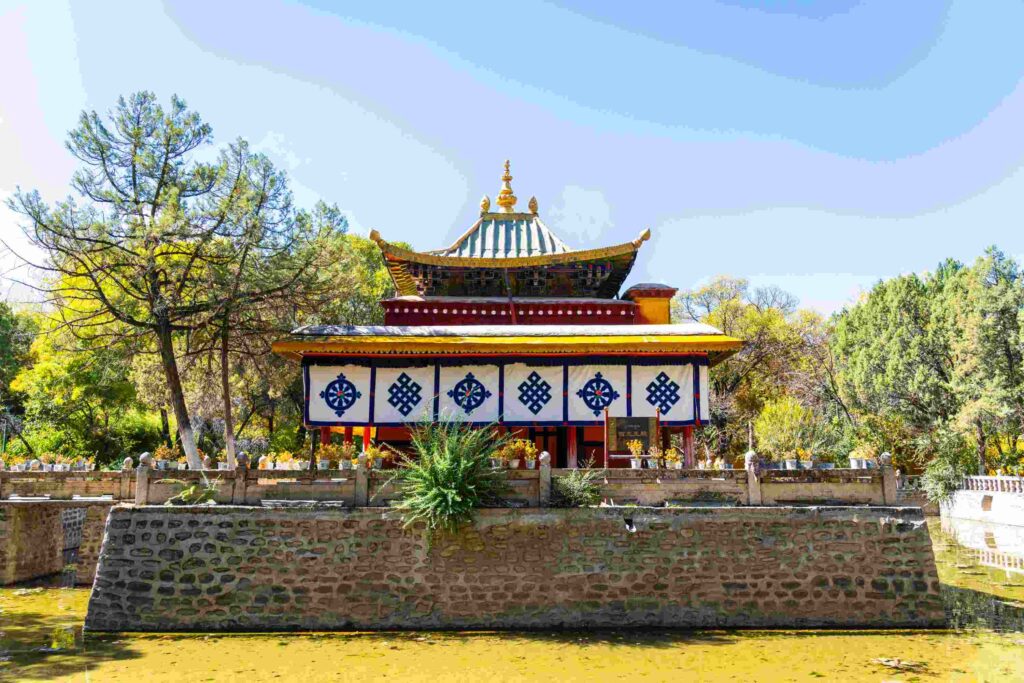
The summer palace of the Dalai Lamas, Norbulinka (or Treasure Garden) is a quiet and beautiful manor house. It proudly boasts a great display of high-altitude flora and is a popular summer picnic ground.

Sightseeing Sera Monastery is one of the Gelugpa’s six great monasteries (the other five are Drepung, Ganden, Tashilumpo, Labrang, and Kumbum). Sera lie at the base of Phurpa Chok Ri, a mountain of the Tatipu Range that defines the northern limit of Lhasa city. It was founded in 1419 by Sakya Yeshe (1355-1435), a principle disciple of Tsong Khapa. The complex today, a veritable monastic city, occupies a site of nearly 12 hectares. It is made up of the Tsokchen Great hall), three tratsangs, and 30 Khangstens. A Khangsten is a residential compound with chapels reserved for monks coming from different areas of Tibet, whereas a Tratsang is a college that offers specialized studies, headed by its own abbot (Khenpo). It was a vital center for religious activity and Sera boasted over 5,000 monks and novices. It is one the best-preserved monasteries in Tibet, its principal buildings were in explicably spared during the Cultural Revolution. Pilgrims follow a well-trodden route when they visit the main chapels. The basic clockwise sequence is Sera Me, Ngagpa Tratsang, Sera Je, Hamdong Khangsten, Tsokchen, Tsong Khapa’s hermitage.

Day 3

Sightseeing Tour in Lhasa, Visit Potala and Jokhang – Walking Tour in Barkhor including guide only.

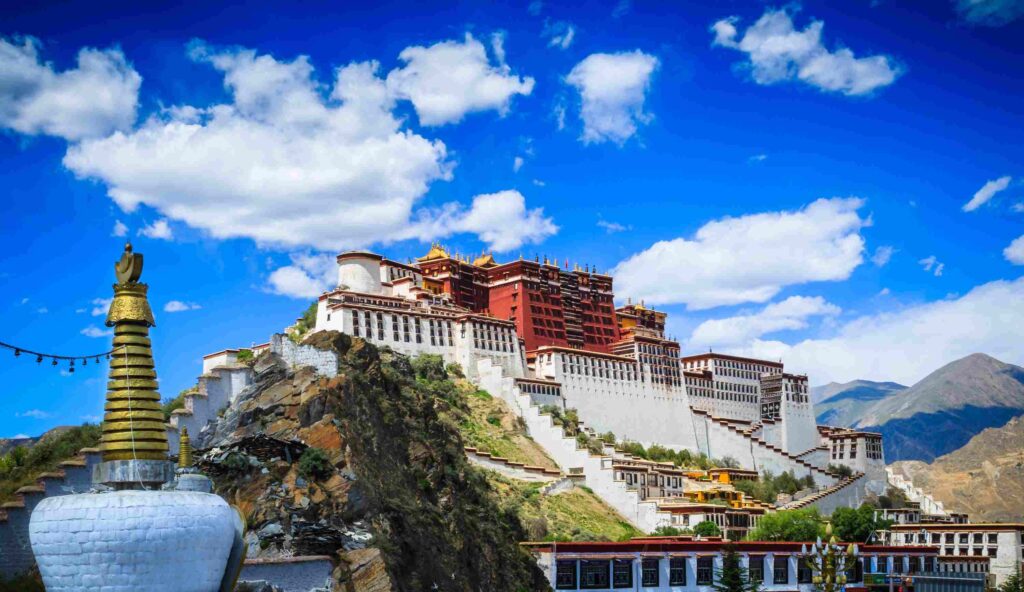
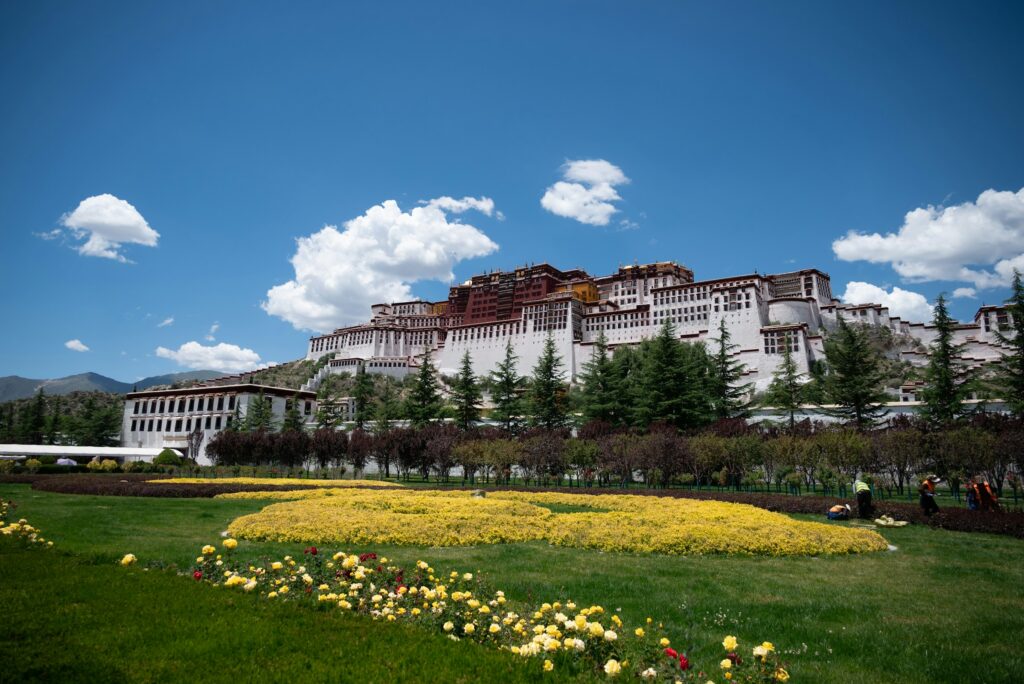
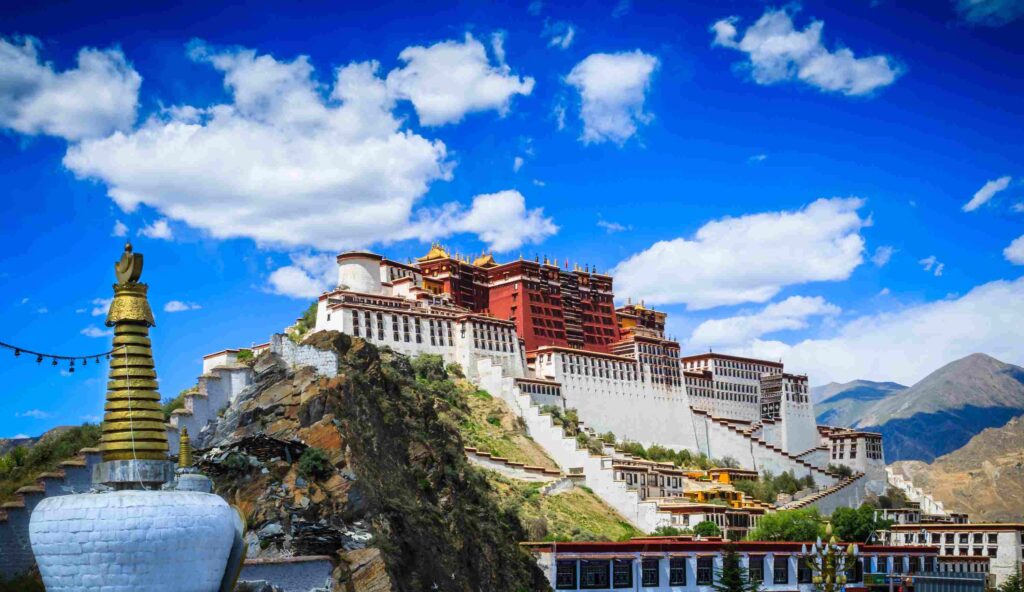
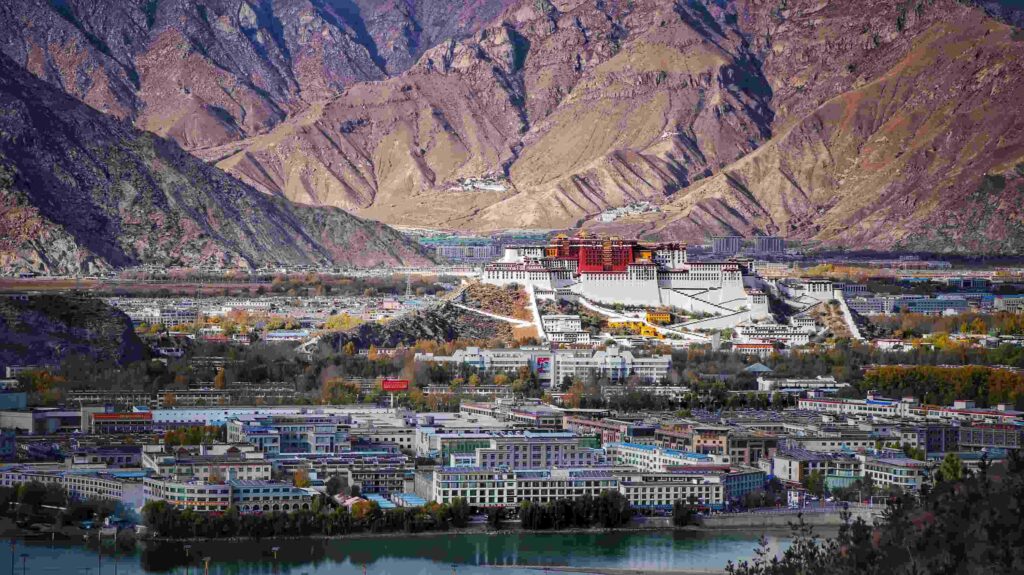
The Potala Palace towers over Lhasa and is an enduring landmark of Tibet. Little remains of the original structure built by Songtsen Gampo other than its foundations. After climbing its impressive stairway, you will see audience halls and the living quarters of the Dalai Lamas, some exceptional relics, stupas, three dimensional mandalas, numerous statues. After Lhasa was reinstated as the capital of Tibet in the 17th century, the Great 5th Dalai Lama began construction of the White Palace (built 1645 – 53) employing 7000 workers and 1500 artisans.

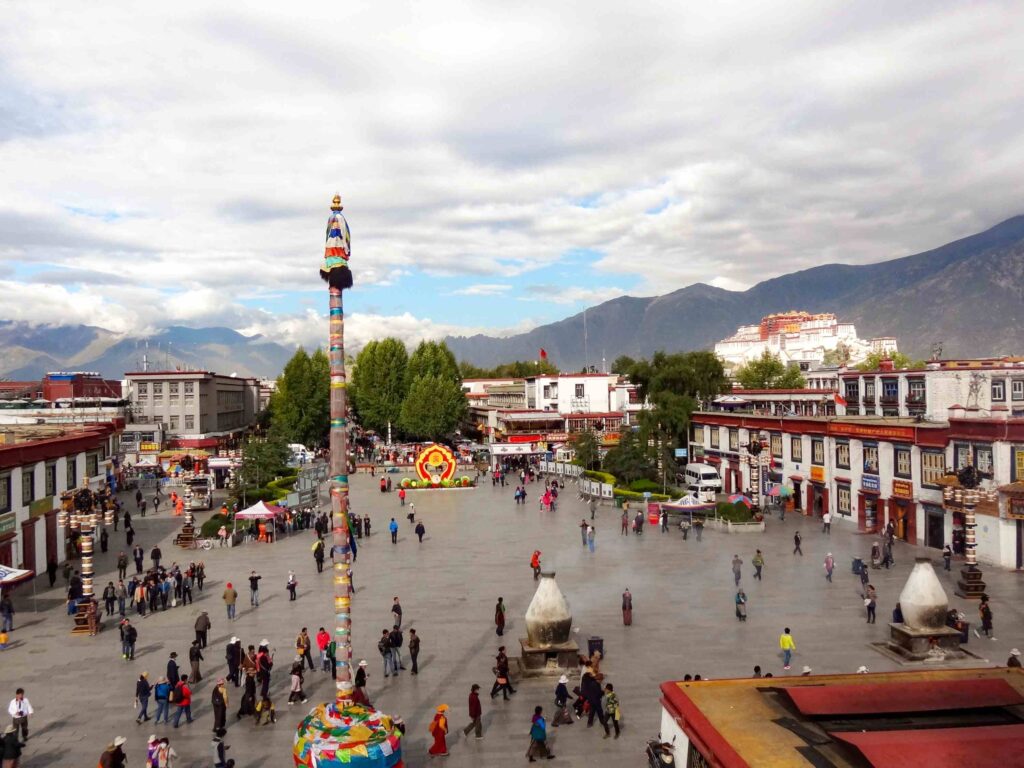
The Jokhang Temple is 1300-year-old, a golden-roofed building at the center of the Barkhor Market. The most sacred and active Tibetan temples, it was founded by Bhrikuti, King Songtsen Gampo’s Nepalese bride, on a site chosen by his other wife (a Tang dynasty Chinese princess, Wenchang) as the principal geomantic power – place in Tibet.

Day 4

Free day in Lhasa

Today, is a free day in Lhasa. However due to uncertainty in policy of Tibet Government, please do check with your guide about the possibilities of going around freely. Should you be interested in visiting other places of interest, you may consult with your guide.

Day 5

Transfer to Gyantse via Yamdrok Tso and Karo La.

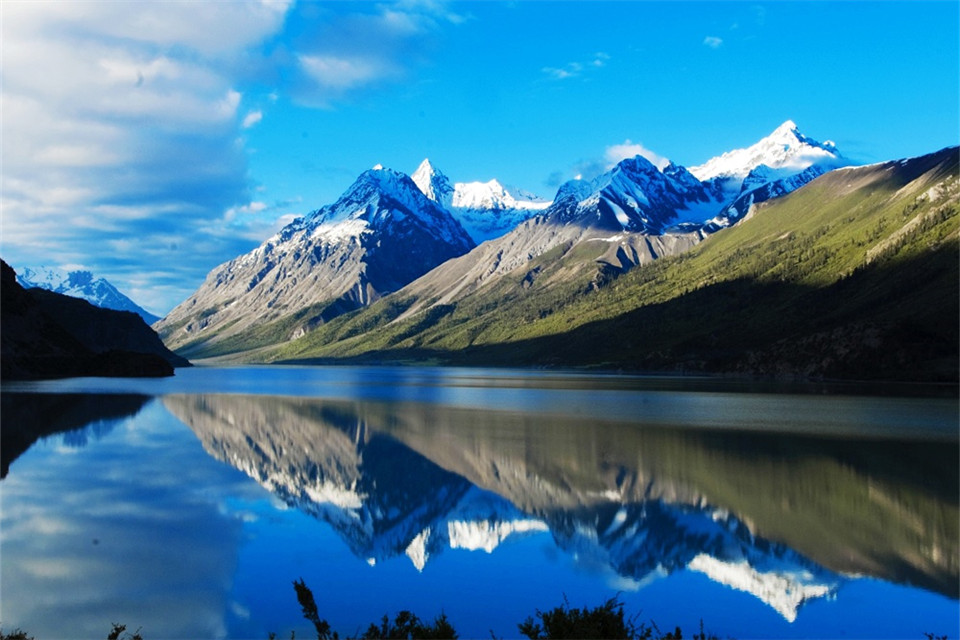
Today’s drive is 254 km from Lhasa, yet scenic as you cross the Khamba La, Karo La (passes) along the shores of a stunning view of Lake Yamdrok Tso.

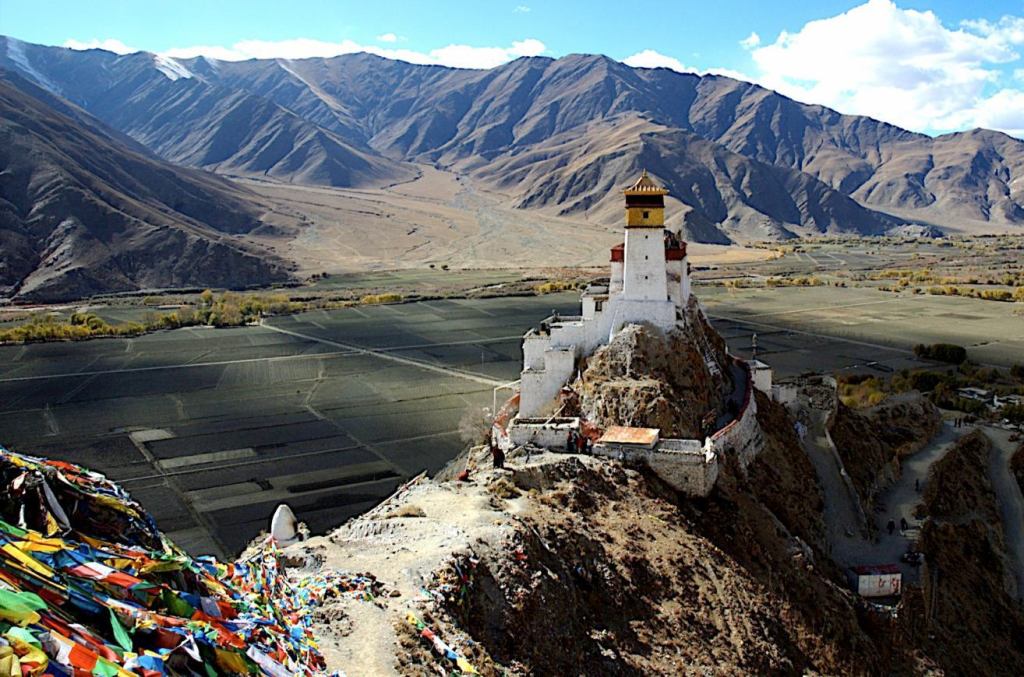
Gyantse (3950m) was a once important trading town between Sikkim, Bhutan and Tibet and still retains the charm of old Tibet. Walking around in its backstreets you will soon feel teleported into medieval times; or climb up to the impressive hilltop fortress (dzong) where, in 1904, locals held out against the vastly superior forces of the invading British army for almost six months.

Day 6

Transfer to Shigatse with Visit to Pelkhor and Tashi Lumpo.

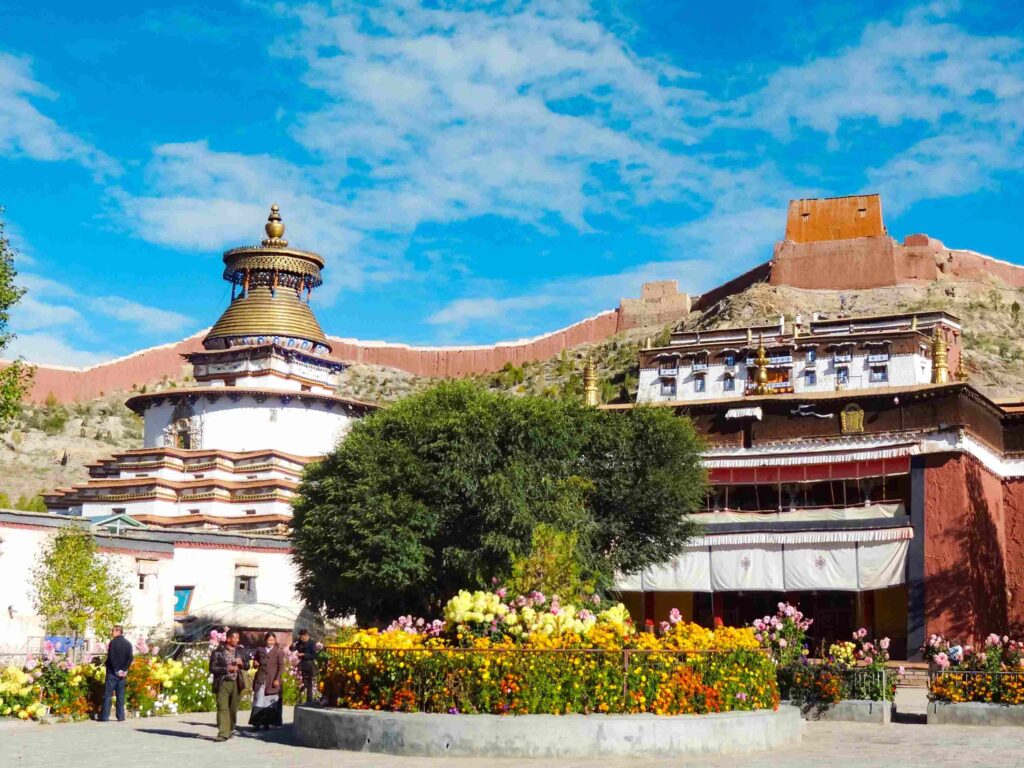
In the morning, visit Pelkor Choede Monastery. The main temple of Pelkor Chode, the Tsuklakhang was built 1418– 1425 by the prince of Gyantse. It was an eclectic academy with 16 dralsang (colleges) belonging variously to Sakya, Butonpa, Geluk and Kagyu schools. All the dralsang buildings have been destroyed, however the main assembly hall was preserved along with its remarkable (15th images and Murals). The top chamber is decorated with fantastic mandalas in Sakya tradition.

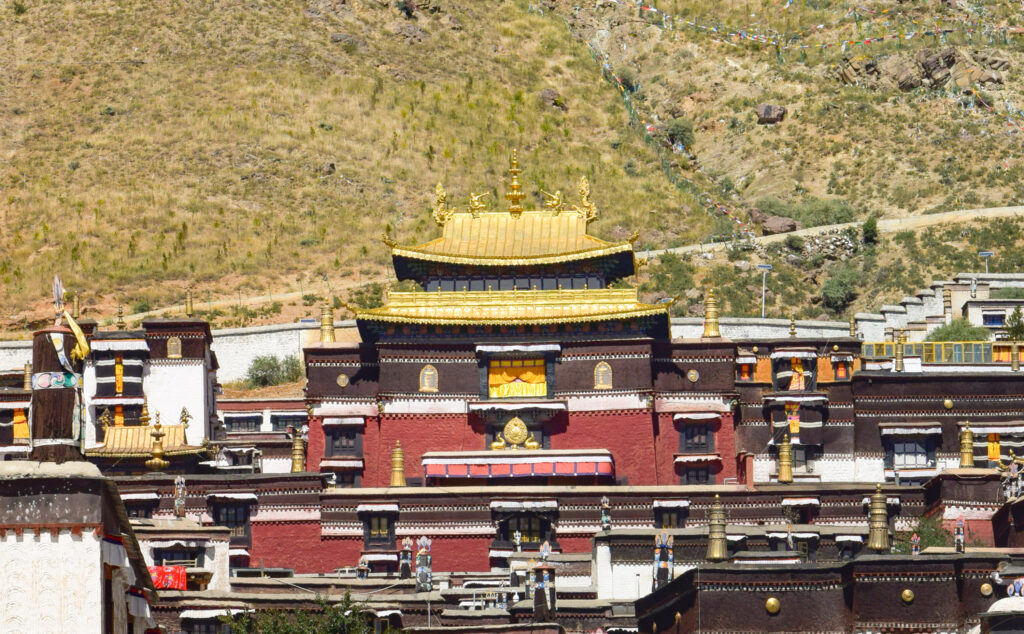
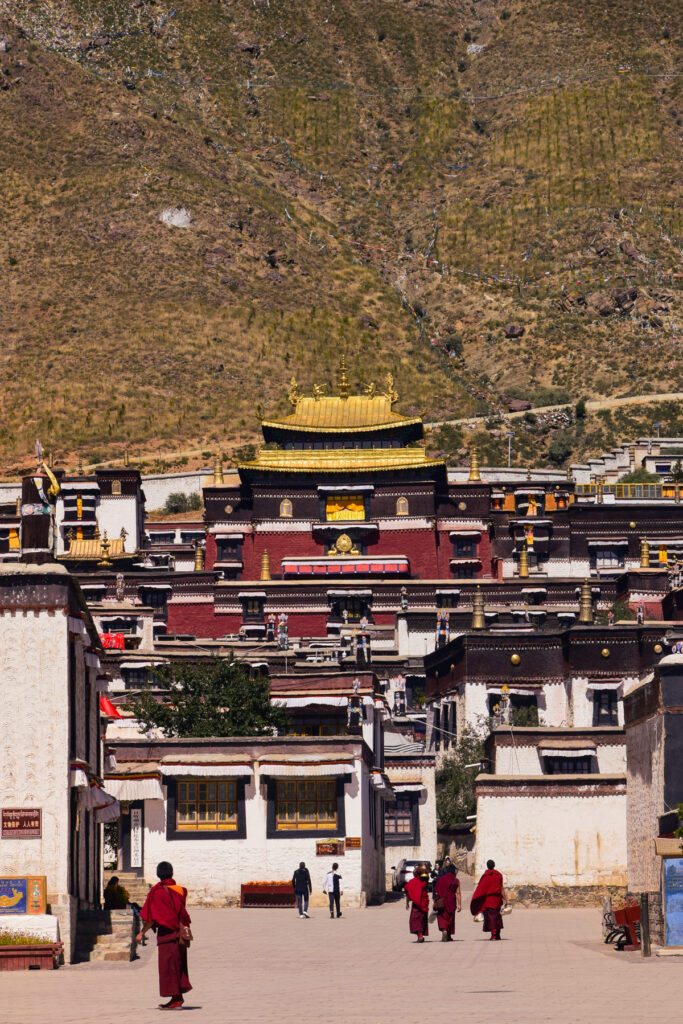
We continue our drive to Shigatse which stands at the confluence of Nyangchu and Brahmaputra Rivers. Shigatse is Tibet’s 2nd largest city. In Shigatse, we visit Tashilumpo Monastery which was founded in 1447 by a nephew and disciple of Tsongkhapa who was retroactively named the first Dalai Lama.

Day 7

Transfer to Shegar via Sakya Gompa.

You continue your journey towards Shegar via Sakya town. Sakya is the principal seat of Sakya School and as such played dominant role in the political and religious history of Tibet in the 13th and 14th century. The architecture and colouring of both Sakya town and gompa are distinctive. The name ‘Sakya’ means “light coloured earth” and it comes from the white patch on the hillside opposite the main temple complex.

Day 8

Transfer to Rombuk.

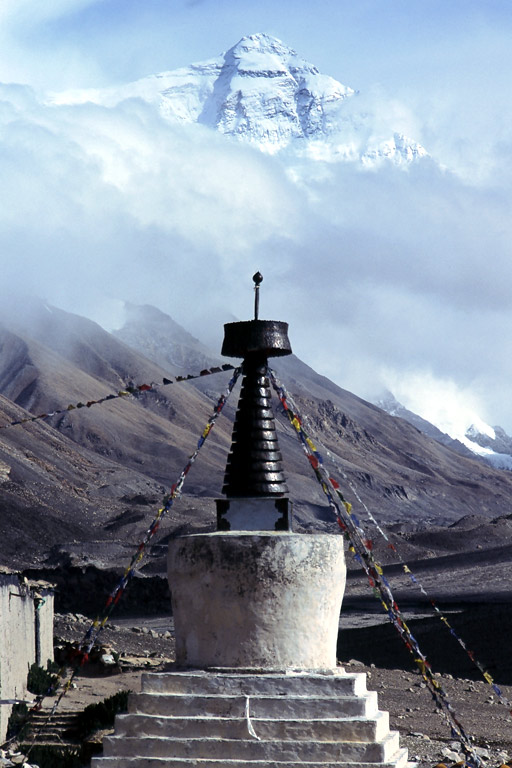
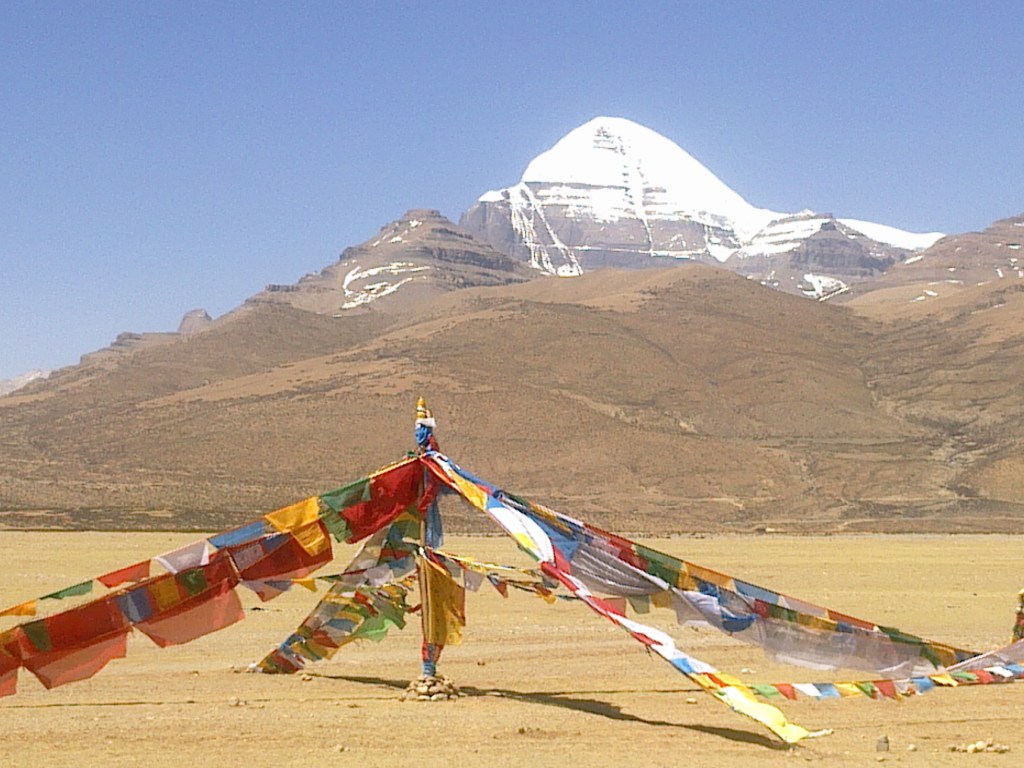
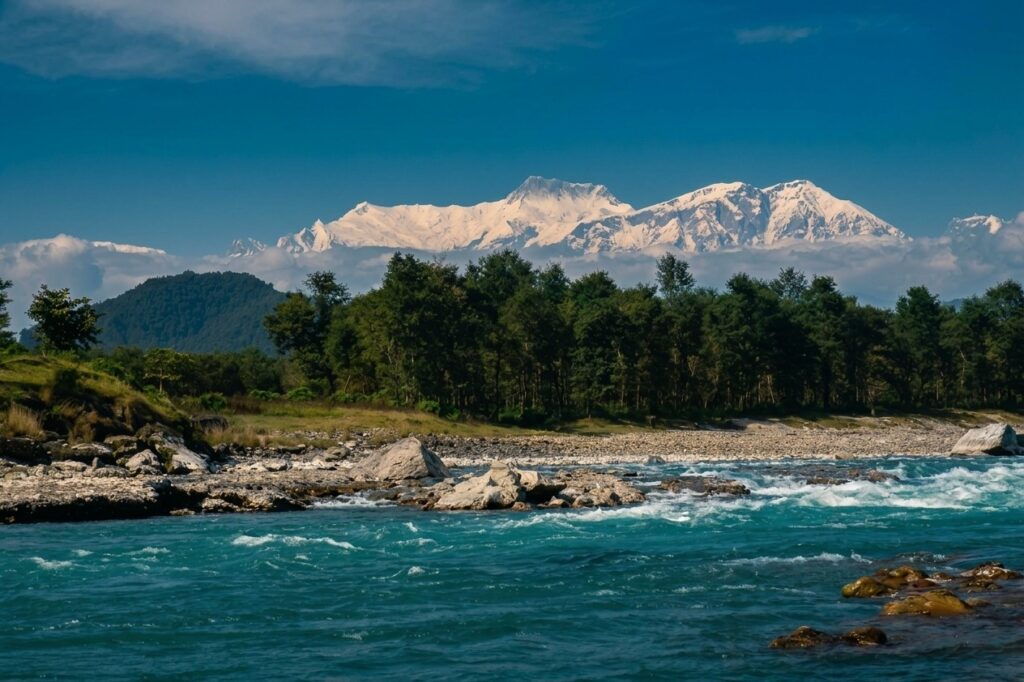
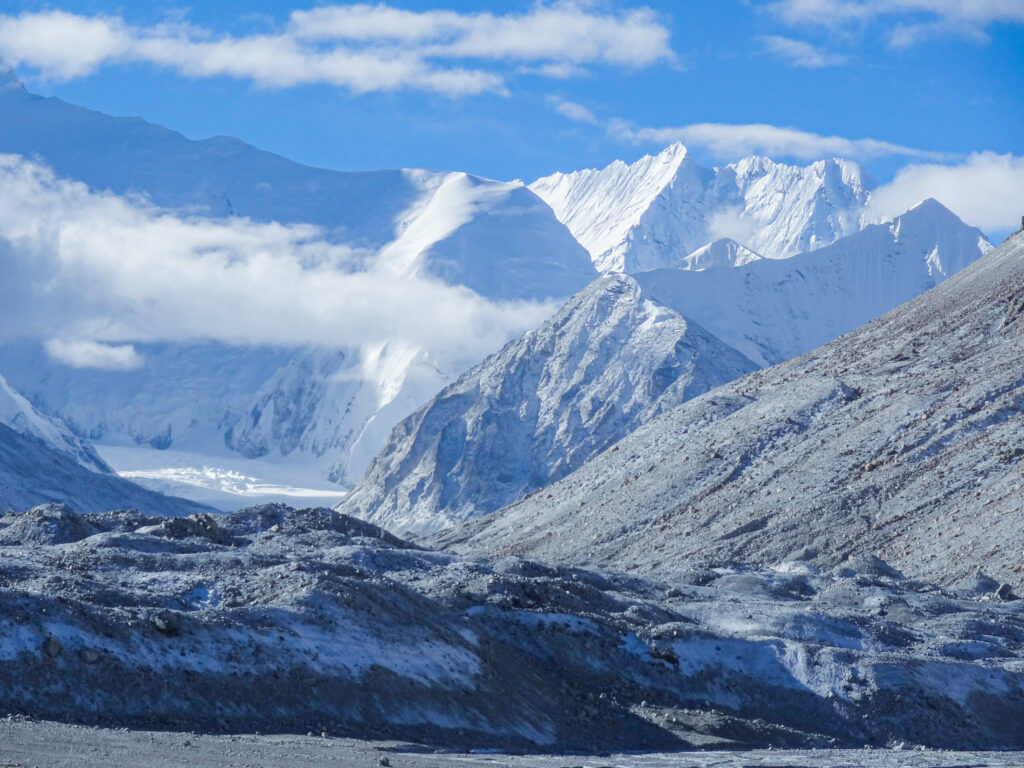
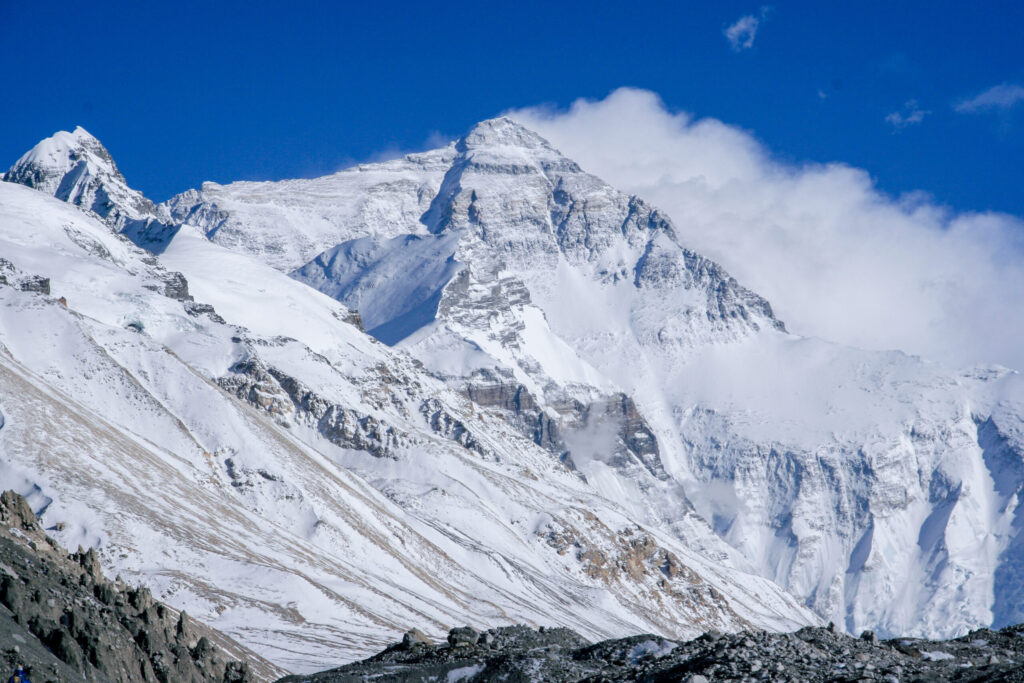
After leaving Shegar, you will turn off the friendship highway for a stunning drive through Qomolangma National Park, and reach the Rombuk valley by the afternoon for your first glimpse of Mt. Everest or Qomolangma in the local tongue meaning the “Queen of the mountain range”. The best views you get from the tiny Tibetan monastery, Rombuk Gompa, where you will spend the night.

Day 9

Transfer to Lower Kyirong via Paiko Tso.

Today you wake up in the morning with the sighting of Mt. Everest – where else can you do this – Unbeatable – Amazing – The North Face of Mount Everest (8848.86m) or Mount Qomolangma in Tibetan is face to face with you.

Later on, you continue your drive towards Lower Kyirong driving past the beautiful lake in Tibetan plateau Paiko Tso Lake along some high-altitude mountain passes with a magnificent view of Mt. Sishapangma and Chyo Yu.

Day 10

Cross border at Rasuwa and Drive to Trishuli.

Today you will continue your drive towards Nepal-Tibet border. Kyirong or Gyirong Port (Rasuwa Port on Nepal side) is located about 160 km from Kathmandu, capital of Nepal and about 820 Km from Lhasa.

At the border, you walk across the bridge joining Nepal and Tibet. Your local guide will receive you at the Kyirong border and assist you for necessary immigration formalities in Nepal part.

Later you continue our journey towards Trishuli where you can rest for the night. The road connecting the border and Trishuli town is adventurous and you can expect to have a bumpy ride.

Day 11

Transfer to Patan.

Today, you head onto Patan driving along Prithivi Highway. You’ll drive through lush green forest alongside Trishuli river on the curvy roads towards Kathmandu. Kathmandu is an incredibly diverse, historic city with amazing architecture, exquisite wood carvings and metal craft which showcase the skills of the Newar artisans of centuries ago.

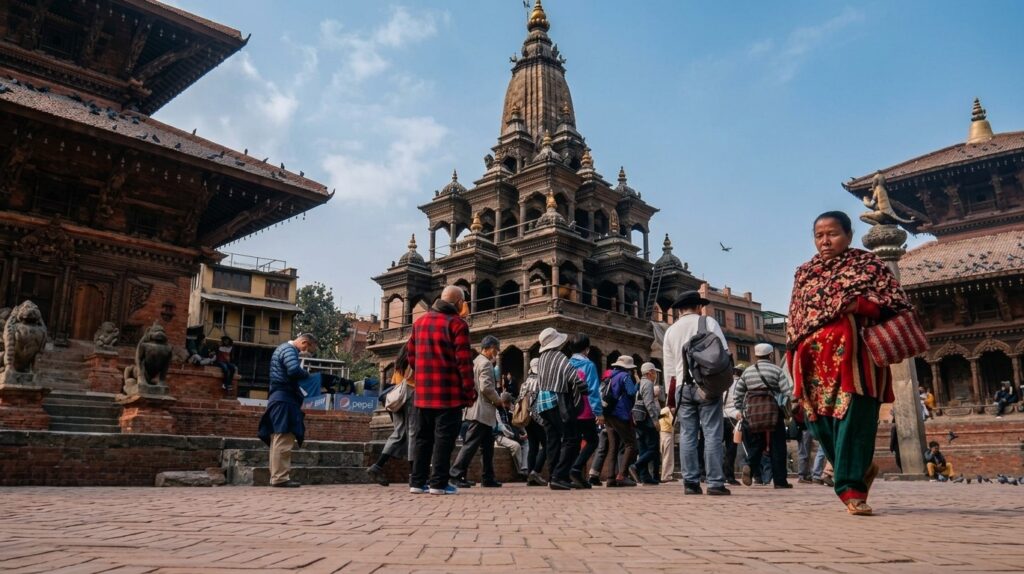
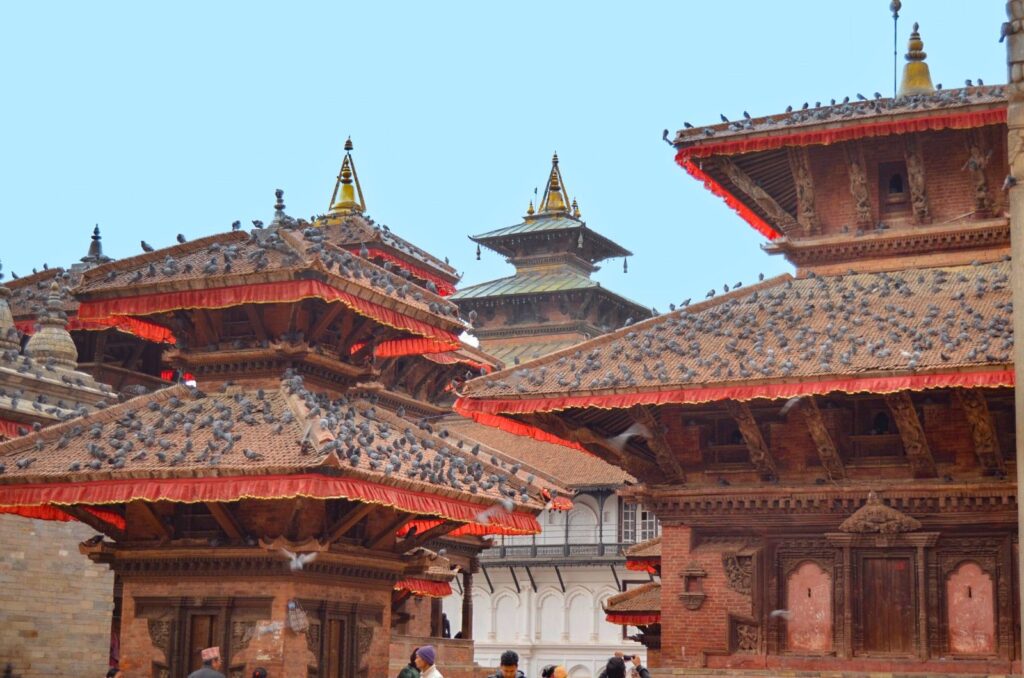
The hotel you will be staying is close to the UNESCO Heriatge Site, Patan Durbar Square. Participate on a orientation walk with the local guide, surrounded by a fascinating array of temples, Patan is built in various architectural manners, varies from the era of its establishment.

Patan Durbar Square is a home of numerous temples like Krishna Mandir, Bhimsen Mandir, Taleju Bell and much more, which displays Gods and Humans, in Nepal, have always lived with next to each other since long-long time ago. All the temples of the Patan Durbar Square are decorated with the samples of the masterpiece of Nepalese handicrafts; according to the Newari architecture. The city is built on Newari cultural perspectives, thus, the city envelopes the pride of Newari cultural history.

Day 12

End of Service

Your wonderful trip concludes today. After breakfast, you check out from the hotel for your onward journey (depending upon your services booked).

Know before you go

  • A valid Chinese visa is required before we apply for your Tibet Travel Permit. Timing is confirmed once your itinerary is set.
  • Foreign visitors travel with a licensed guide in Tibet. Ours are Tibetan or long-resident specialists who know the routes and permit rules.
  • This journey is rated Moderate. We pace days for acclimatisation and will be honest if a route is unrealistic for your group.
  • Allow 12 days on the plateau, plus international arrival and departure days either side if flying via mainland China or Nepal.
  • Typical group size: Up to 1 guests. Private departures can be arranged for couples and families.
  • Altitude rises quickly after Lhasa. We build in rest where it matters and brief you on preparation before departure.

Questions

Visas, guides, altitude, and how booking works — practical answers before you travel.

Do I need a Chinese visa to travel to Tibet?

Yes. Tibet is part of China, and foreign travellers need a Chinese visa before we can apply for your Tibet Travel Permit. If you arrive via a Chinese city (Beijing, Chengdu, Xining and so on), you normally need an individual tourist “L” visa from a Chinese embassy. If you arrive from Nepal, you typically need a group visa issued in Kathmandu. Once your trip is booked and arrival plans are clear, we send detailed instructions for your route.

How do I get travel permits for Tibet?

We apply for the permits your itinerary needs. The Tibet Travel Permit (TTB) is required to board your flight or train into Tibet — we arrange delivery to Beijing, Chengdu or whichever gateway city you use. After you arrive, your guide handles on-the-ground paperwork. Extra permits can apply for Everest, Mount Kailash, Guge or parts of eastern Tibet; we list those when we propose your route.

Can I change plans at the last minute or after arrival?

Major changes are usually difficult because your itinerary and places of visit are specified on the permits, including your arrival city. Small swaps inside Lhasa — for example preferring a thangka workshop over Drepung — are often fine. Tell us as early as possible if dates or regions need to shift.

Must I travel with a guide?

Yes. Foreign visitors in Tibet must travel with a locally licensed guide. You are met at Lhasa airport, the train station or a land border, then accompanied by a licensed Tibetan guide. Ours are employed directly by us — trained, experienced and English-speaking. That does not mean they hover every minute: rules on independent wandering shift over time, but guides are generally required for monasteries and outside Lhasa. Your guide will explain the current situation; following it is a condition of travel. Treat them as an asset — their knowledge of places and customs is part of the journey.

Can I use local public transport?

Generally no. Foreigners travelling in Tibet are required to use private vehicles licensed for tourist use. In Lhasa you can use taxis or rickshaws to move around the city. Guidebooks that suggest solo public-transport travel are often outdated; guide and private-transport rules have been enforced for years and are unlikely to disappear.

What vehicles will we use?

Transport is by car, van, minibus or bus depending on the itinerary and group size. Roads on most tourist routes — including toward Kailash, Guge and Everest — are paved and in good condition. Dedicated 4WD is rarely necessary now and is often an unnecessary expense. Our drivers are experienced on plateau roads (and as mechanics). English varies, but they know the photo stops — make the effort to connect and the days are more fun.

Will I be affected by altitude?

Lhasa sits at about 3,685m. Mild headache or nausea on arrival is not unusual. Who suffers and why is poorly predicted — age and fitness are unreliable guides, and the same person can react differently on another trip. Take it easy for the first days, drink water, and do not race off the plane. Stop on stairs and breathe. Younger, fitter travellers sometimes struggle more because they overdo it. Calm breathing and realistic expectations help; hospitals in Lhasa are experienced with altitude, and very few guests cannot complete a well-paced itinerary. Discuss personal medication with your doctor before travel — we do not prescribe.

How do you pace high routes like Everest or Kailash?

We build acclimatisation into the outline before pushing higher. Everest and Kailash days are long; overnight stops matter more than a rushed checklist. If someone in a private group needs an extra rest day, we adjust when permits and hotels allow. Tell us your health context when you enquire so we can propose a realistic route.

What is travel in Tibet actually like?

Many itineraries run through remote areas. Infrastructure improves constantly, but outside main towns it is not always Western-standard. Journeys to western Tibet especially are not conventional beach holidays: conditions are harsher, events less predictable, and facilities simpler. Good organisation still sits at the mercy of weather and the unexpected — which is also where some of the best encounters happen. We brief you honestly before you book.

Are there rules about politics and photography?

No political activity may be undertaken by travellers. That includes photographing military personnel or installations, public political comment, or possessing materials linked to exile politics. These are legal regulations for travel in China/Tibet; booking with us means agreeing to abide by local law. Your guide can be held primarily responsible for guest actions — with fines, licence loss or worse in severe cases — so we ask everyone to travel carefully and respectfully.

How should I behave in monasteries?

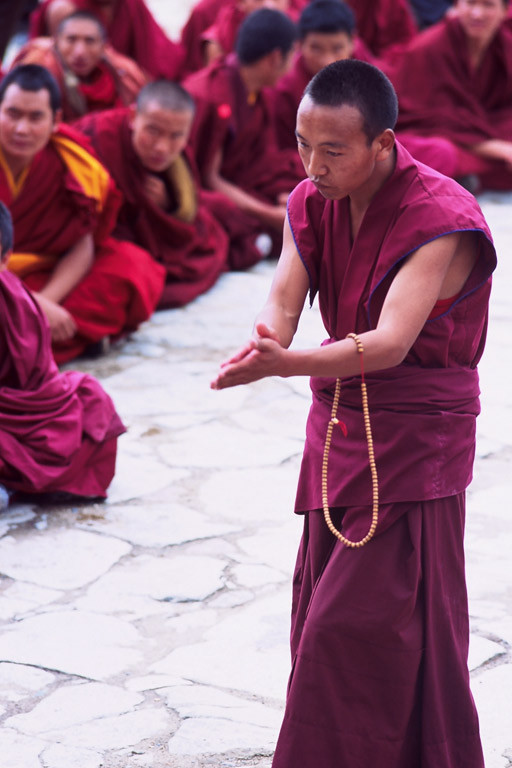
Monasteries are working religious communities. Walk clockwise where that is custom, keep voices low, and ask before photographing statues or monks — some halls ban cameras. Cover shoulders and knees. Your guide briefs you before each visit. Curiosity and respect are enough; we never pressure guests into religious participation.

How far ahead should I book?

Two to three months is comfortable for permits and peak-season hotels. Festival weeks and popular Everest or Kailash dates fill earlier. Shorter lead times are often possible — write with your dates and we will say honestly what is realistic.

Private journey or fixed departure?

Private trips match your dates, pace and group size with your own vehicle and guide. Fixed departures suit solo travellers or small parties who want a set outline and shared costs. Both still require permits and a licensed guide. Tell us how you prefer to travel and we will recommend a fit.

How do I start planning?

Use Plan a trip on the site, or email dates, group size and regions of interest. Our Lhasa team replies within one business day with realistic options — not a hard sell. If a request does not fit the season or altitude profile, we say so.

12 days From on request
Request quote