Eastern Tibet

Eastern Tibet: The Sacred Sites of Bon

See itinerary

9 days · From on request

Request a free quote

Overview

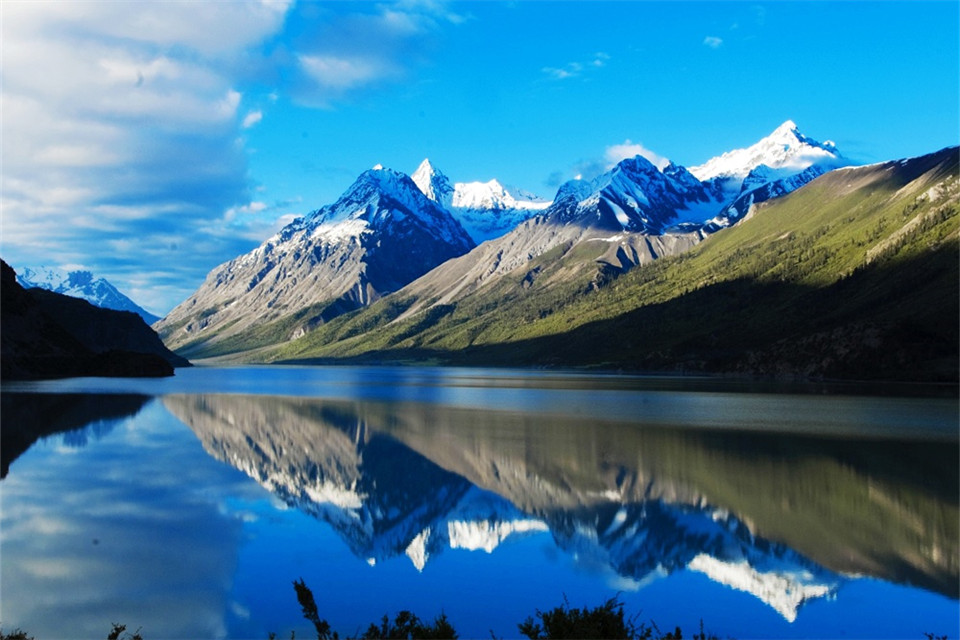
East of Lhasa, the confluence of the Nyang chu and Yarlung Tsangpo (Brahmaputra) rivers is a particularly sanctified area with numerous sites of importance to the Bon tradition, including the Bon sacred mountain. From a base in Nyingchi you can explore a number of temples and scenic sites including the temples of Sigyal Gonchen & Takste Yundrunling, Chu Jowo and Lamaling.
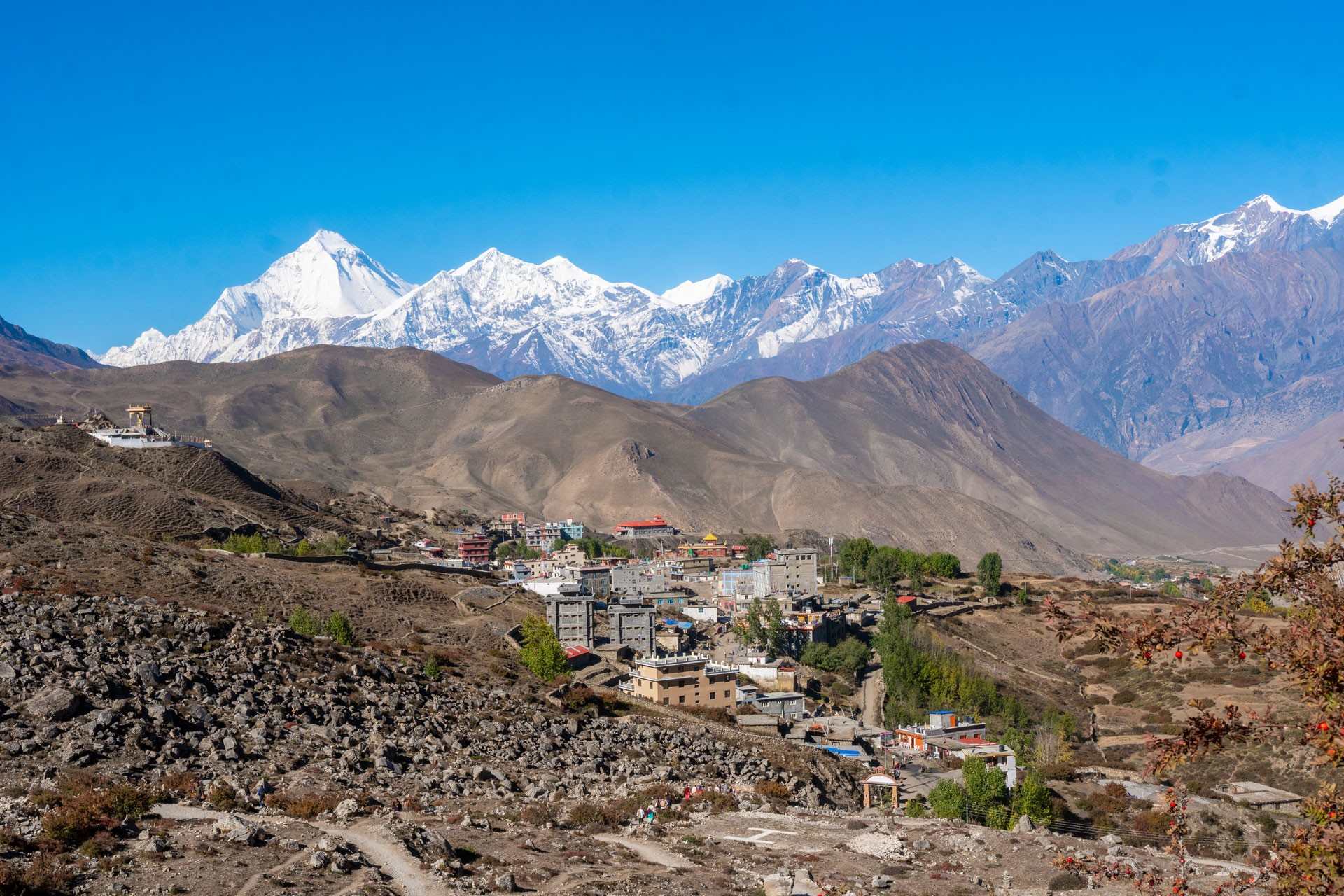
Beyond Nyingchi the road climbs to cross the Serkhym-la (4515m); then skirts the great mountains of Namche Barwa (7782m) and Gyala Pelri (7294m) with the Yarlung Tsangpo (Brahmaputra) passing between them before its great curve south into India. The views are spectacular!
Pass the stunning highland forests and pastures around Lunang and Tangme to Pomi – backed by snow-capped mountains this is some of the most fertile land of Tibet and attracts swarms of birds in summer.
 

Itinerary

Eastern Tibet: The Sacred Sites of Bon

Day 1

Arrive at Nyingchi Airport

Transfer to Nyinchi to your hotel. Depending on flight arrival time, you may start some easy sightseeing today.

Day 2

Nyingchi area - visits depending on your personal interests including temples, mountain viewpoints, villages ...

The area is scenically stunning – you will see Bayi Pelri, a holy mountain is associated with the epic battles of Guru Rinpoche against an array of evil forces. Here too is Bonri, the sacred mountain of the Bon. A cypress grove includes a tree believed to be 2500 years old – the oldest tree in China and revered by Bonpo especially.
Lamaling (Zangdok Pelri) was originally main seat of the head of the Nyingmapa until his death in 1987 it was later destroyed. The reconstruction is an exquisite temple & garden complex displaying the best metal casting of Chamdo artisans.
Nearby is Buchu Sergyi The oldest Buddhist shrine in Kongpo and one of the 4 border taming temples built by Songsten Gampo in the C7th.
Chu Jowo Temple contains a much-revered relief image of Jowo Rimpoche in the guise of 4-armed Avalokiteshvara. Jowo Rinpoche is said to have vanished into the stone before returning to Lhasa after appearing in the Brahmaputra to honour a pledge to a devout shoemaker.

Day 3

drive from Nyingchi to Pomi via the Serkhyim La & Lunang Forest.

Start out along section of road you will not forget in a hurry, part of the South Sichuan-Tibet Highway. Climb the seemingly endless switchbacks to the Serkhyim La (4582m) around the side of Bonri where you may see pilgrims ending their kora. This is a forested area and a mass of colourful flowers in summer.
You will also have magnificent views of Namche Barwa (7756m) and Gyala Pelri (7151m) as you descend towards Lunang, Tibet’s largest forest. Further east, following the Parlung Tsangpo as other smaller rivers join it, stop at Bakha Monastery, residence of the Bakha tulku.

Day 4

to Rawok – visit Rawok Lake & Midui Glacier

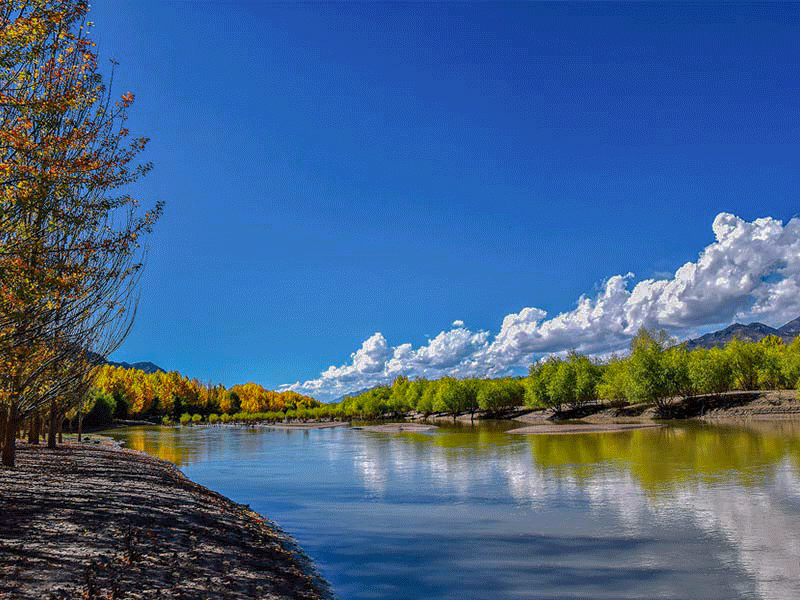
Follow the Parlung Tsangpo river 130kms to Ngan Tso & Rawok Tso. The lakes are surrounded by lovely woods, a chorten and small temple, hot springs and one of the most beautiful glaciers in China.

Day 5

After sunrise at Rawok Lake return to Bayi

A full day’s drive, but the scenery is every bit as spectacular on the second look.

Day 6

Basum Tso

Following the Nyang Chu - longest tributary of the Yarlung Tsangpo back toward the west. Basum Tso is reputedly the abode of King Gesar’s spirit and is an important pilgrimage site. Visit the small temple on Tsodzong Island, birthplace of Sangye Linpa (discoverer of hidden texts) and with earlier associations with Padmasambhava. Follow the pilgrim circuit around the island and enjoy the scenery and perhaps take a boat ride on the lake.

Day 7

to Lhasa via Ganden

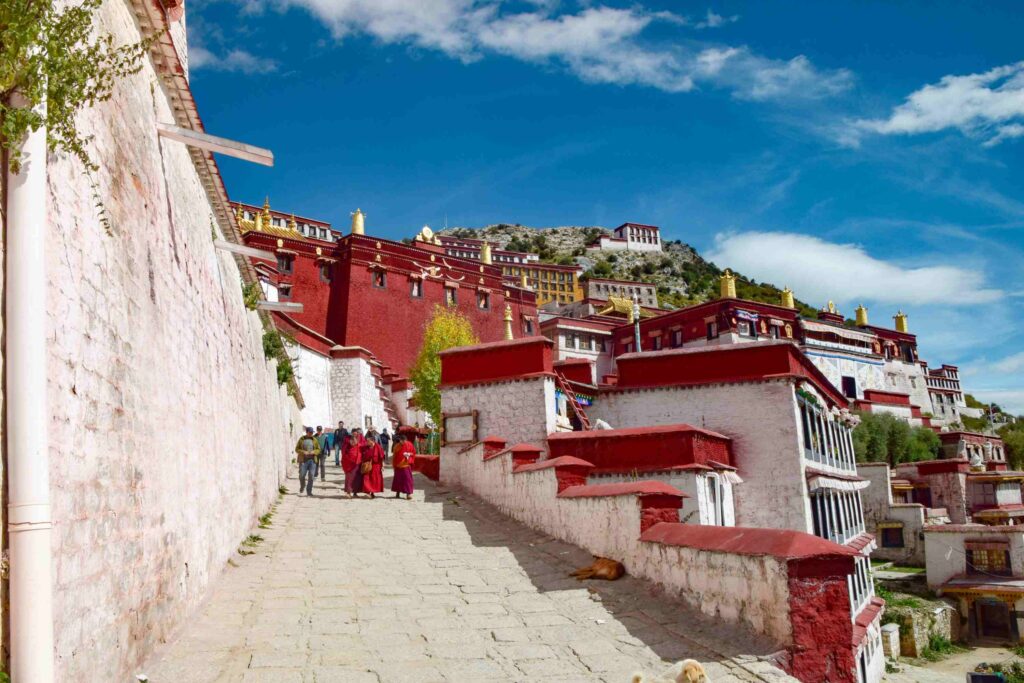
Tsongkhapa founded the first monastery of the Gelukpa order, Ganden in 1409 or 1417 (sources differ). It has remained the main seat of the Gelugpa. Of all Tibet’s monasteries Ganden suffered most at the hands of the Red Guards; today it is being revitalized and rebuilt and its setting high on a ridge overlooking the Kyi Chu Valley is spectacular. The high kora takes approximately 1½ hours.
Arrive in Lhasa in the late afternoon.

Day 8

Lhasa sightseeing - visiting Drepung, Nechung & Sera

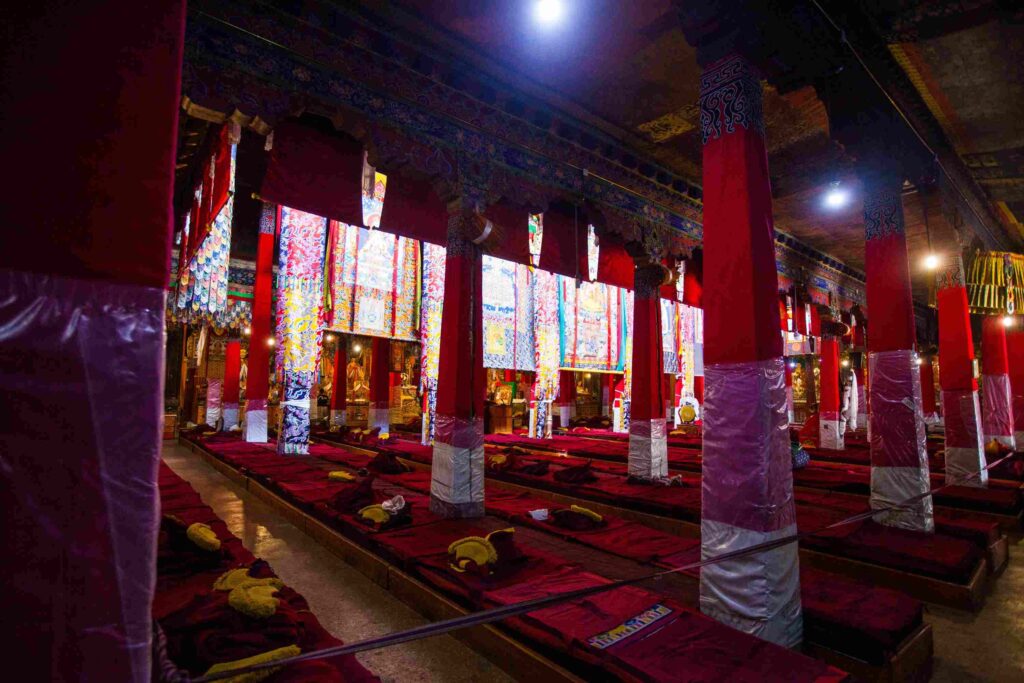
The university monastery of Drepung is one of the three most important Gelugpa monasteries in Tibet and was founded in the 15th century. It houses a large collection of Buddhist scriptures, artifacts, and artwork, and is known for its beautiful architecture and peaceful atmosphere.
Nechung is a small temple located nearby and is the home of the Nechung Oracle, a medium who is believed to be possessed by a deity and who offers spiritual advice and guidance. He is the personal oracle of the Dalai Lamas.
You may visit the Norbulinka, Summer Palace of the Dalai Lamas instead of Nechung if you prefer or include both for a very full day.
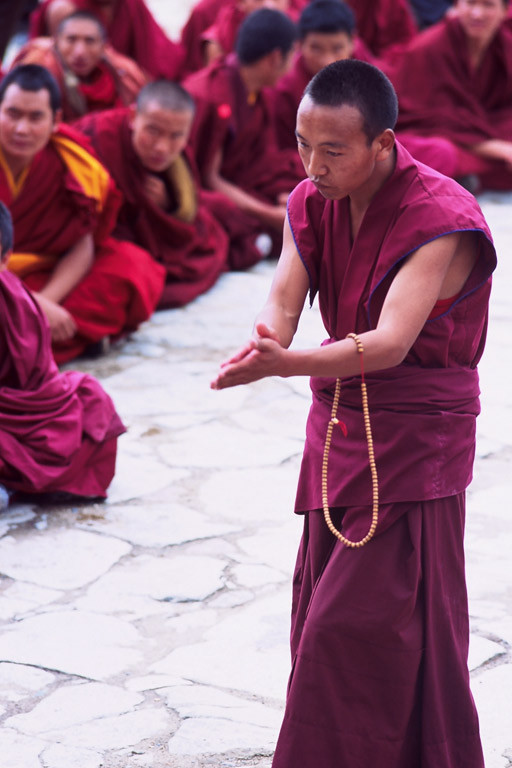
Sera is another important Gelug monastery located on the norther foothills of Lhasa and is known for its vibrant debating culture. Monks at Sera engage in lively philosophical debates on Buddhist doctrine, which can be fascinating to observe.

Day 9

Lhasa sightseeing - visiting Potala Palace, Jokhang and the Barkhor

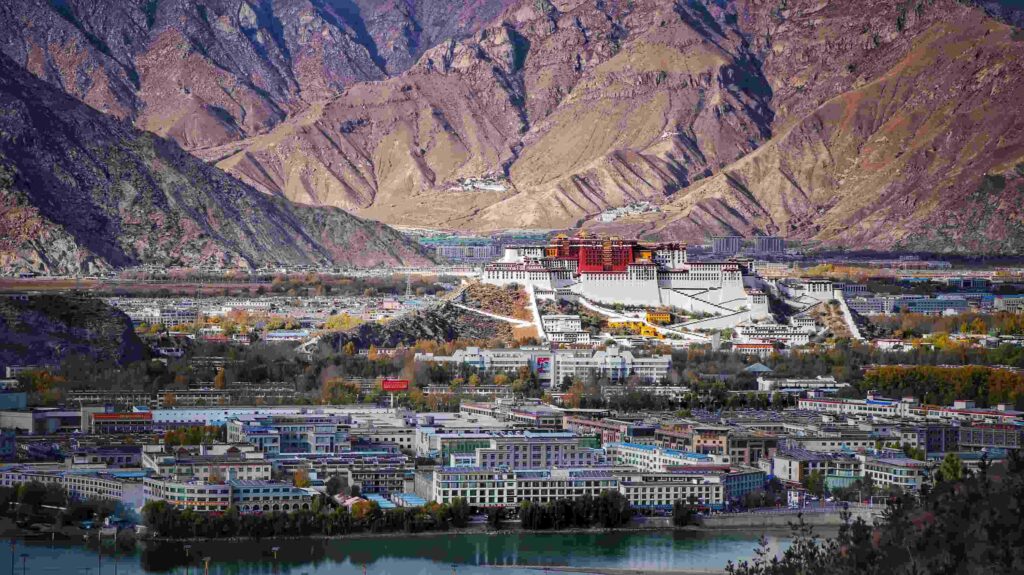
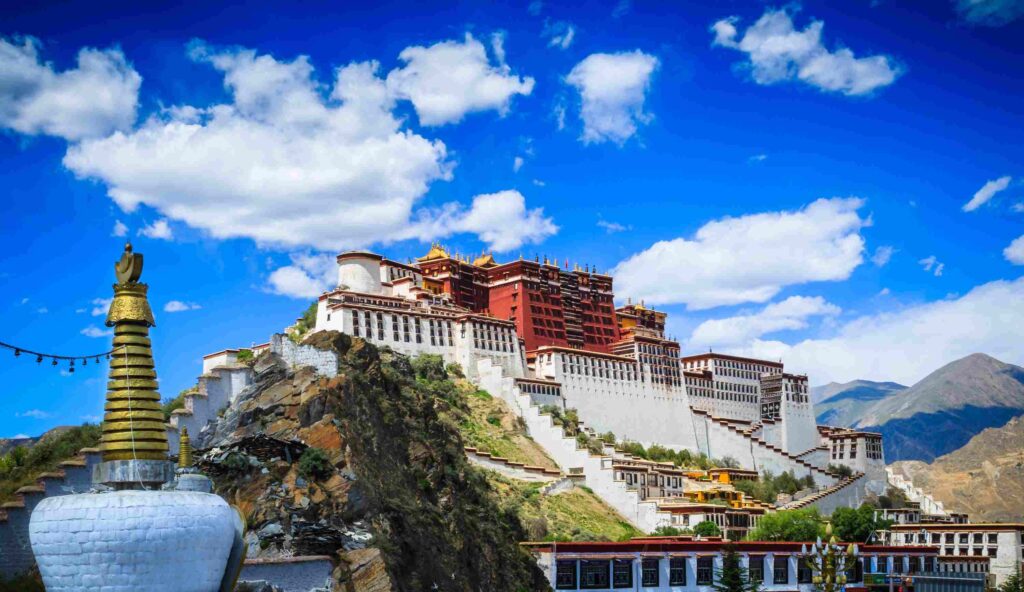
The Potala Palace is a massive fortress-like structure that dominates the Lhasa skyline. It was the winter palace of the Dalai Lamas and contains a complex of chapels, halls and rooms that are richly decorated with frescoes, carvings and sculptures. Explore the many levels of the palace, including the Red Palace and the White Palace, and admire the stunning views of the city from the rooftop.
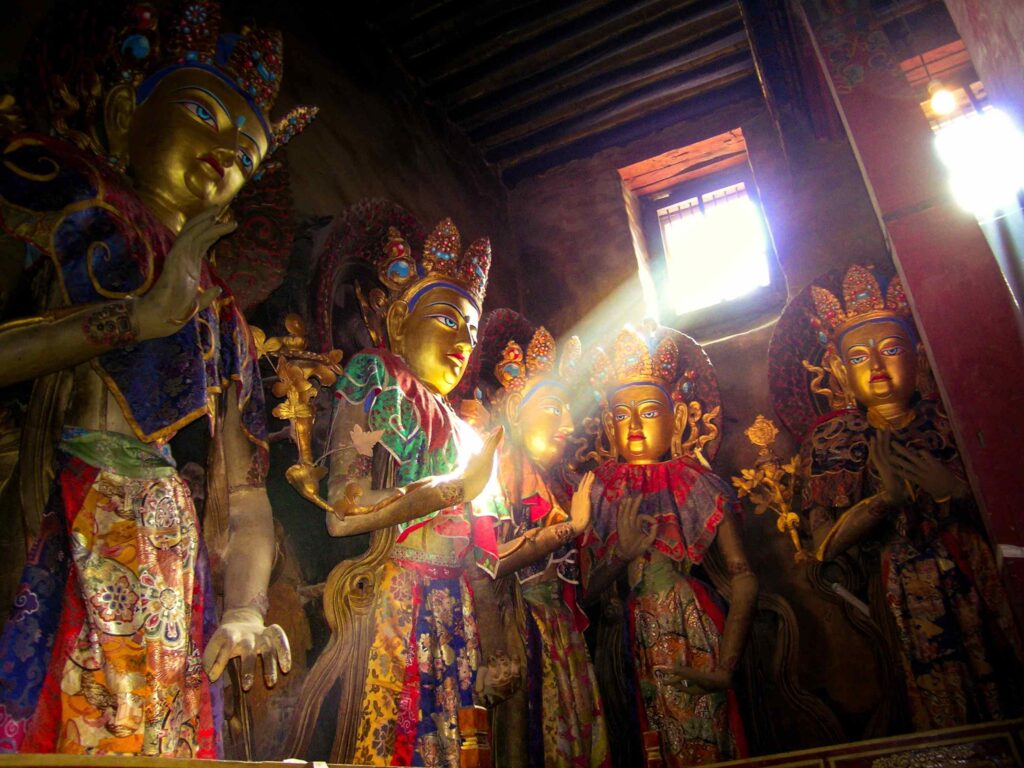
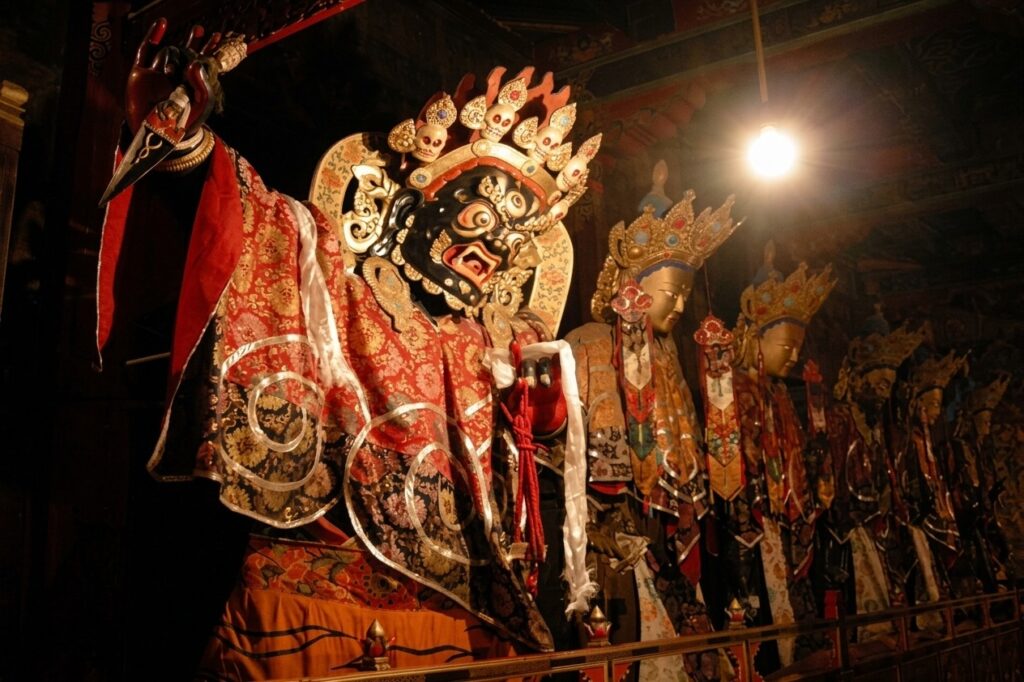
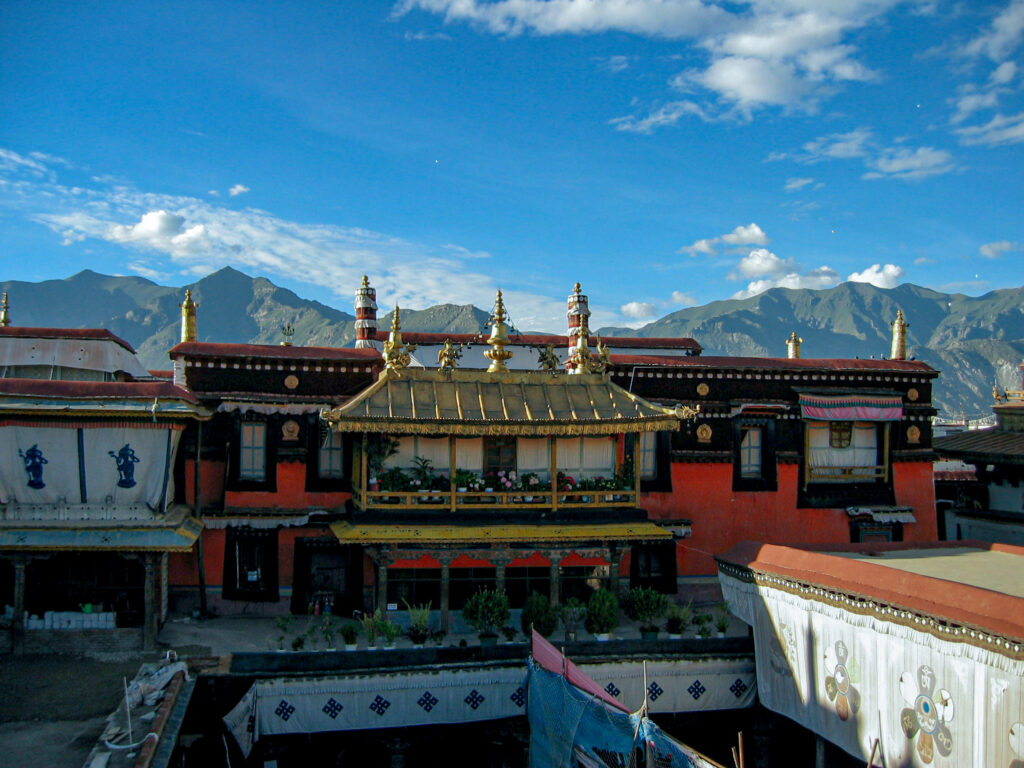
The Jokhang Temple is considered the spiritual heart of Tibet, located in the heart of Lhasa. It is one of the oldest and most revered temples in Tibet and is known for its impressive architecture and religious artifacts. Amid the many shrines and statues of Buddha witness the daily rituals and offerings made by devotees.
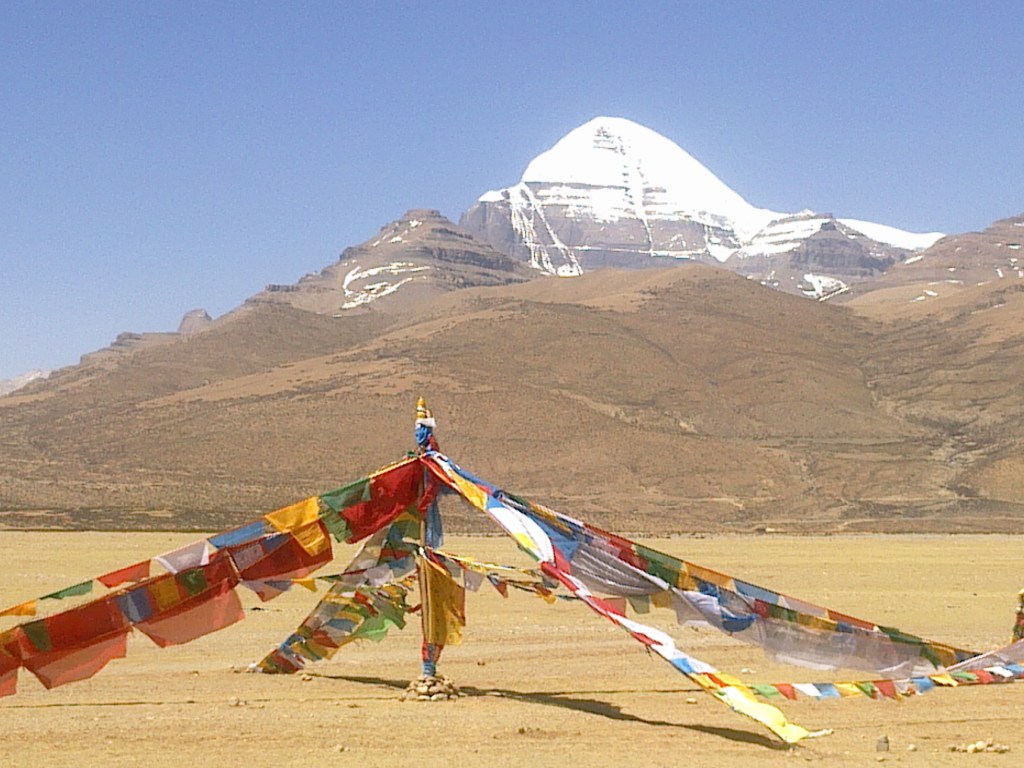
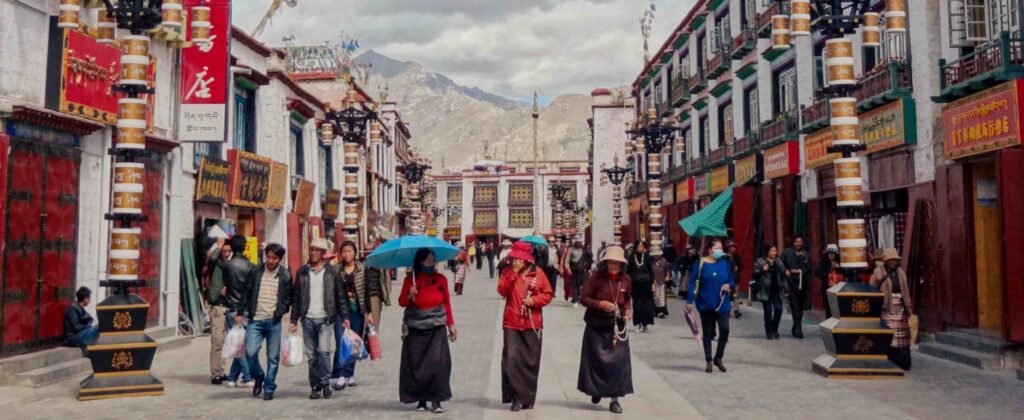
The Barkhor is a bustling marketplace and pilgrimage route that circles the Jokhang Temple. It's one of the oldest and most vibrant areas of Lhasa and is a great place to buy traditional Tibetan goods such as prayer flags, incense and handicrafts. You may also ask your guide to visit a nunnery, Tibetan Medical Institute, art workshops ...

Day 10

departure

Transfer to the airport or station for your departure.
OR Continue with a central Tibet loop visiting Yamdrok Lake, Gyantse & Shigatse - or longer options to include Mount Everest; returning to Lhasa or continuing overland to Kathmandu.

Day 11

day 11

Know before you go

  • A valid Chinese visa is required before we apply for your Tibet Travel Permit. Timing is confirmed once your itinerary is set.
  • Foreign visitors travel with a licensed guide in Tibet. Ours are Tibetan or long-resident specialists who know the routes and permit rules.
  • This journey is rated Moderate. We pace days for acclimatisation and will be honest if a route is unrealistic for your group.
  • Allow 9 days on the plateau, plus international arrival and departure days either side if flying via mainland China or Nepal.
  • Typical group size: Up to 1 guests. Private departures can be arranged for couples and families.
  • Altitude rises quickly after Lhasa. We build in rest where it matters and brief you on preparation before departure.

Questions

Visas, guides, altitude, and how booking works — practical answers before you travel.

Do I need a Chinese visa to travel to Tibet?

Yes. Tibet is part of China, and foreign travellers need a Chinese visa before we can apply for your Tibet Travel Permit. If you arrive via a Chinese city (Beijing, Chengdu, Xining and so on), you normally need an individual tourist “L” visa from a Chinese embassy. If you arrive from Nepal, you typically need a group visa issued in Kathmandu. Once your trip is booked and arrival plans are clear, we send detailed instructions for your route.

How do I get travel permits for Tibet?

We apply for the permits your itinerary needs. The Tibet Travel Permit (TTB) is required to board your flight or train into Tibet — we arrange delivery to Beijing, Chengdu or whichever gateway city you use. After you arrive, your guide handles on-the-ground paperwork. Extra permits can apply for Everest, Mount Kailash, Guge or parts of eastern Tibet; we list those when we propose your route.

Can I change plans at the last minute or after arrival?

Major changes are usually difficult because your itinerary and places of visit are specified on the permits, including your arrival city. Small swaps inside Lhasa — for example preferring a thangka workshop over Drepung — are often fine. Tell us as early as possible if dates or regions need to shift.

Must I travel with a guide?

Yes. Foreign visitors in Tibet must travel with a locally licensed guide. You are met at Lhasa airport, the train station or a land border, then accompanied by a licensed Tibetan guide. Ours are employed directly by us — trained, experienced and English-speaking. That does not mean they hover every minute: rules on independent wandering shift over time, but guides are generally required for monasteries and outside Lhasa. Your guide will explain the current situation; following it is a condition of travel. Treat them as an asset — their knowledge of places and customs is part of the journey.

Can I use local public transport?

Generally no. Foreigners travelling in Tibet are required to use private vehicles licensed for tourist use. In Lhasa you can use taxis or rickshaws to move around the city. Guidebooks that suggest solo public-transport travel are often outdated; guide and private-transport rules have been enforced for years and are unlikely to disappear.

What vehicles will we use?

Transport is by car, van, minibus or bus depending on the itinerary and group size. Roads on most tourist routes — including toward Kailash, Guge and Everest — are paved and in good condition. Dedicated 4WD is rarely necessary now and is often an unnecessary expense. Our drivers are experienced on plateau roads (and as mechanics). English varies, but they know the photo stops — make the effort to connect and the days are more fun.

Will I be affected by altitude?

Lhasa sits at about 3,685m. Mild headache or nausea on arrival is not unusual. Who suffers and why is poorly predicted — age and fitness are unreliable guides, and the same person can react differently on another trip. Take it easy for the first days, drink water, and do not race off the plane. Stop on stairs and breathe. Younger, fitter travellers sometimes struggle more because they overdo it. Calm breathing and realistic expectations help; hospitals in Lhasa are experienced with altitude, and very few guests cannot complete a well-paced itinerary. Discuss personal medication with your doctor before travel — we do not prescribe.

How do you pace high routes like Everest or Kailash?

We build acclimatisation into the outline before pushing higher. Everest and Kailash days are long; overnight stops matter more than a rushed checklist. If someone in a private group needs an extra rest day, we adjust when permits and hotels allow. Tell us your health context when you enquire so we can propose a realistic route.

What is travel in Tibet actually like?

Many itineraries run through remote areas. Infrastructure improves constantly, but outside main towns it is not always Western-standard. Journeys to western Tibet especially are not conventional beach holidays: conditions are harsher, events less predictable, and facilities simpler. Good organisation still sits at the mercy of weather and the unexpected — which is also where some of the best encounters happen. We brief you honestly before you book.

Are there rules about politics and photography?

No political activity may be undertaken by travellers. That includes photographing military personnel or installations, public political comment, or possessing materials linked to exile politics. These are legal regulations for travel in China/Tibet; booking with us means agreeing to abide by local law. Your guide can be held primarily responsible for guest actions — with fines, licence loss or worse in severe cases — so we ask everyone to travel carefully and respectfully.

How should I behave in monasteries?

Monasteries are working religious communities. Walk clockwise where that is custom, keep voices low, and ask before photographing statues or monks — some halls ban cameras. Cover shoulders and knees. Your guide briefs you before each visit. Curiosity and respect are enough; we never pressure guests into religious participation.

How far ahead should I book?

Two to three months is comfortable for permits and peak-season hotels. Festival weeks and popular Everest or Kailash dates fill earlier. Shorter lead times are often possible — write with your dates and we will say honestly what is realistic.

Private journey or fixed departure?

Private trips match your dates, pace and group size with your own vehicle and guide. Fixed departures suit solo travellers or small parties who want a set outline and shared costs. Both still require permits and a licensed guide. Tell us how you prefer to travel and we will recommend a fit.

How do I start planning?

Use Plan a trip on the site, or email dates, group size and regions of interest. Our Lhasa team replies within one business day with realistic options — not a hard sell. If a request does not fit the season or altitude profile, we say so.

9 days From on request
Request quote