Everest

Tibet Tour – Overland with EBC

See itinerary

9 days · From on request

Request a free quote

Overview

Discover the highlights of central Tibet and make the classic overland journey across the Roof of the World.

Explores the cultural heart of Tibet; its great monasteries, temples and palaces; remote religious centres as well as the incredible beauty of the landscape.
In the heart of central Tibet, the great temples, monasteries, forts and palaces of Lhasa, Gyantse, Shigatse and Sakya are powerful testaments to a long and volatile history and to the spiritual and artistic traditions of Tibetan Buddhism.
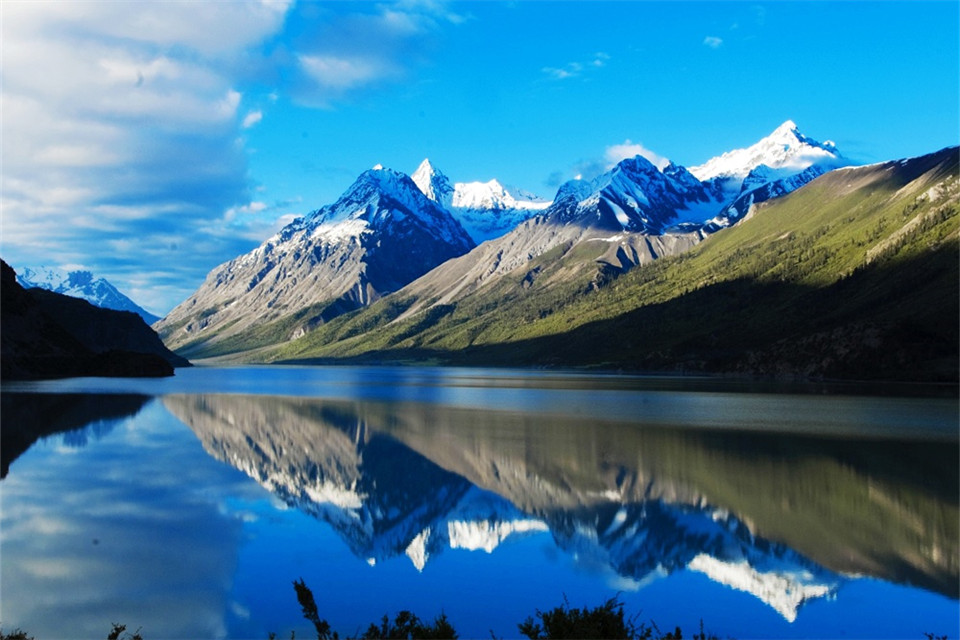
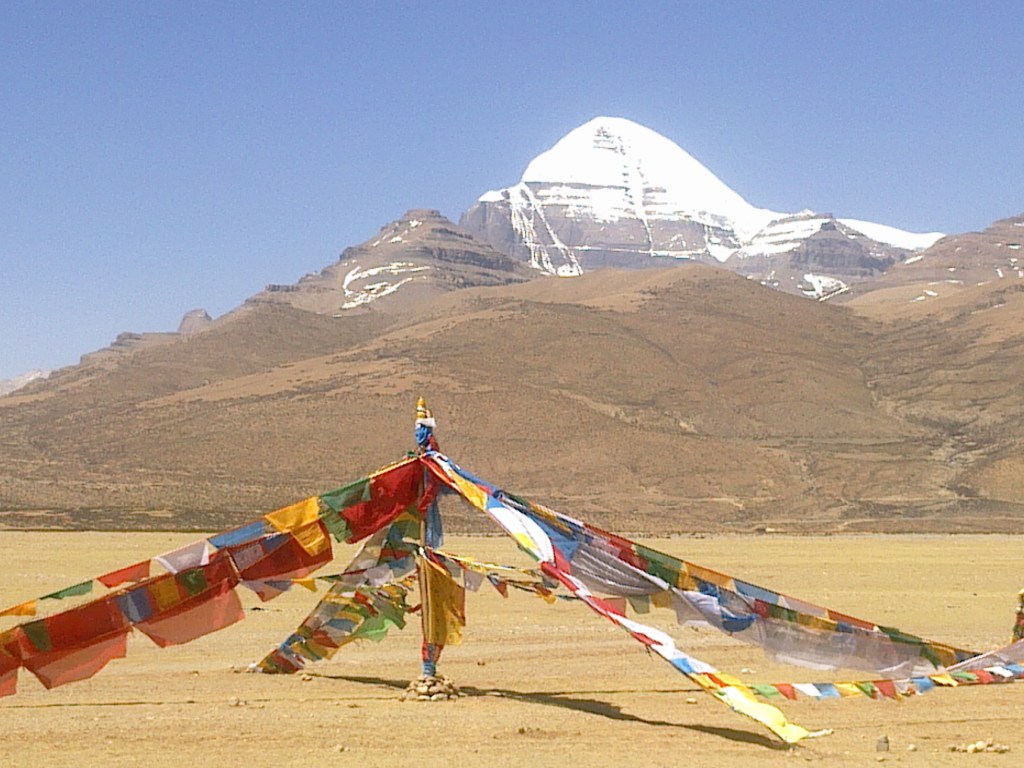
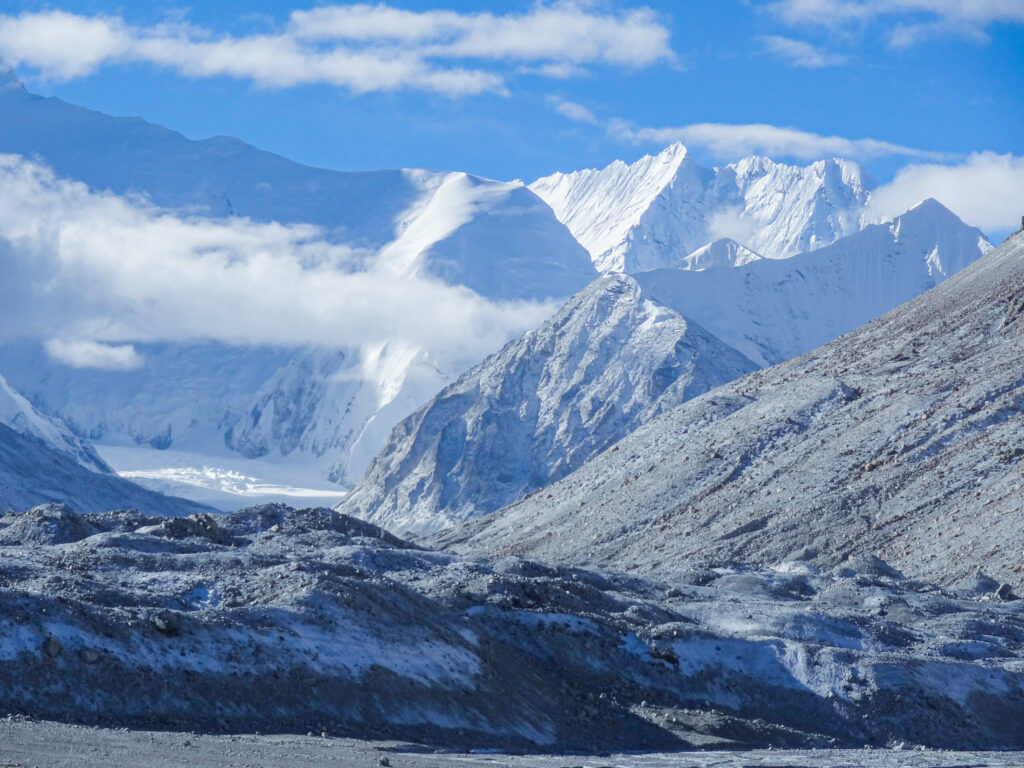
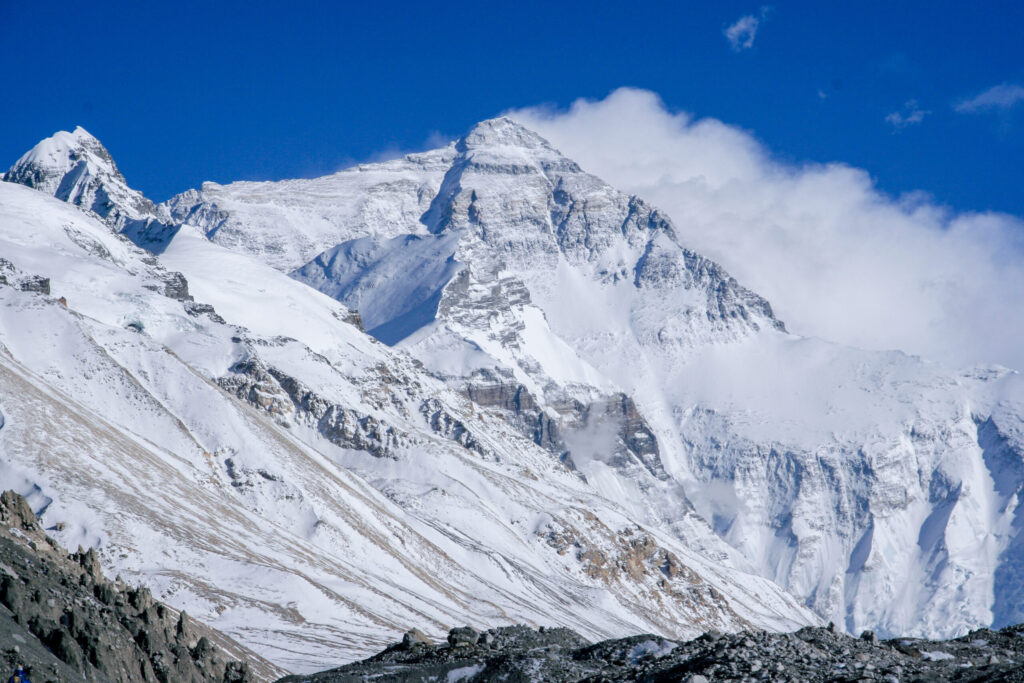
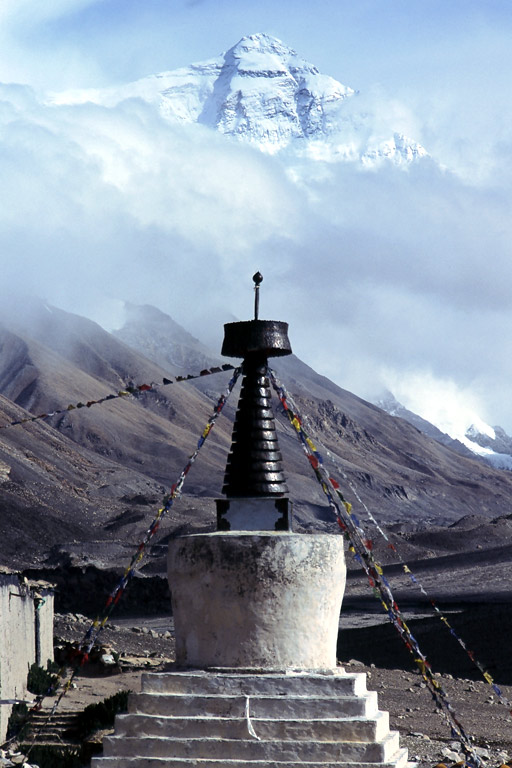
Skirt the turquoise lake of Yamdrok Tso, cross mountain passes topped by prayer flags, pass glaciers, barren hillsides and fertile valleys. Stunning views of Qomolangma (Mt Everest) and a trip up to base camp are a fitting finale to this incredible journey before descending to cross the grasslands surrounding Paiku Tso (with great views of Shishapangma) to Kyirong and the Nepal border and on to Kathmandu.
Itinerary

Tibet Tour – Overland with EBC

Day 1

Arrive Lhasa - transfer to hotel.

Arrive in Lhasa. Your guide will meet you at the airport or station and transfer you to your hotel.

Day 2

Lhasa sightseeing: visit Drepung, Nechung & Sera

Drepung Monastery is one of the largest monasteries in Tibet and was once the home of the Dalai Lamas before the Potala Palace was built. The monastery features impressive architecture and houses several important religious artifacts, including a massive statue of the Maitreya Buddha.
Nechung Oracle Temple is located near Drepung Monastery and is an important religious site in Tibetan Buddhism. The temple is dedicated to Nechung, the state oracle of Tibet, who advises the Tibetan government and the Dalai Lama on important matters.
You may visit the Norbulinka, Summer Palace of the Dalai Lamas instead of Nechung if you prefer or include both for a very full day.
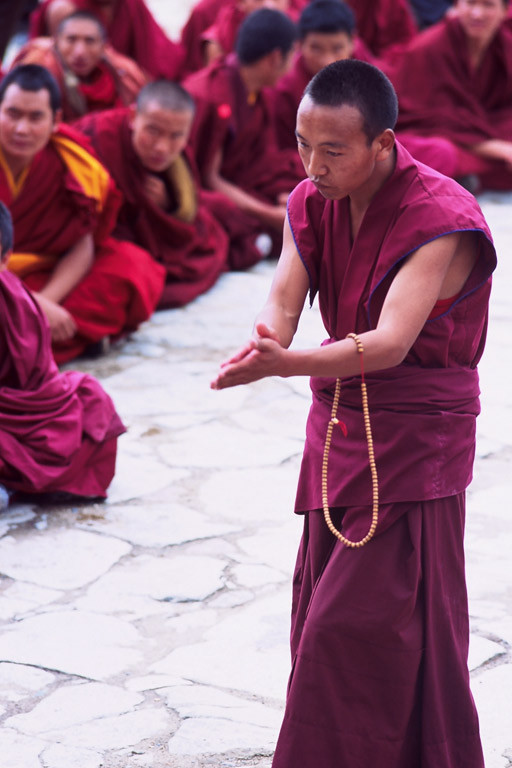
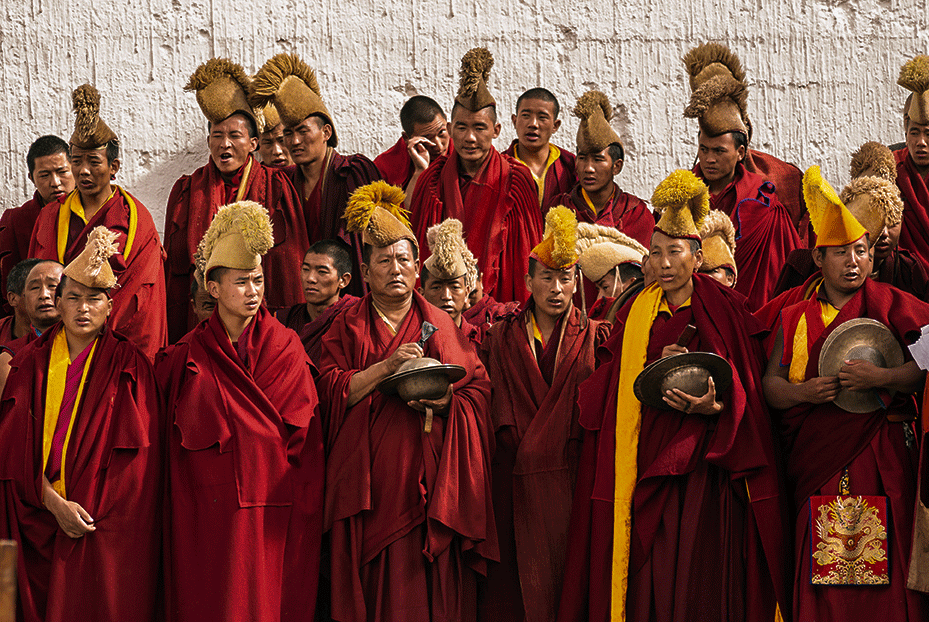
Sera Monastery is another important monastery in Lhasa and is famous for its unique debating culture, where monks engage in lively debates to refine their knowledge of Buddhist philosophy. Visitors can witness the debates as well as exploring the halls and chapels of the vast complex.

Day 3

Lhasa sightseeing: visit Potala, Jokhang -Barkhor.

Another full day spent exploring the wonders of Lhasa. The Potala Palace is the iconic landmark of Tibet and a UNESCO World Heritage Site. It was the residence of the Dalai Lamas as well as the seat of the Tibetan government. The palace is known for its striking architecture, stunning interior decor and its many chapels and prayer rooms.
Located in the heart of the old city the Jokhang Temple is considered one of the most sacred temples in Tibet. It receives a constant stream of worshippers paying homage especially to the statue of the Jowo Shakyamuni, which is believed to be the most sacred statue in Tibet.
Surrounding the Jokhang is a network of small streets and alleys filled with shops, tea houses, restaurants, small temples and shrines … Tibetans will make a clockwise circumambulation of the “Barkhor” as a part of their visit to the Jokhang and it is always crowded with locals shopping.

Day 4

drive to Gyantse via Karo-la & Yamdrok Lake

Leaving Lhasa, head south across the Khamba-la (4750m) before dropping down to the beautiful, turquoise Yamdrok Lake. It is one of the largest of Tibet’s sacred lakes and with its incredible colour and backdrop of snow capped mountains driving along its western shore will involve plenty of photo stops.
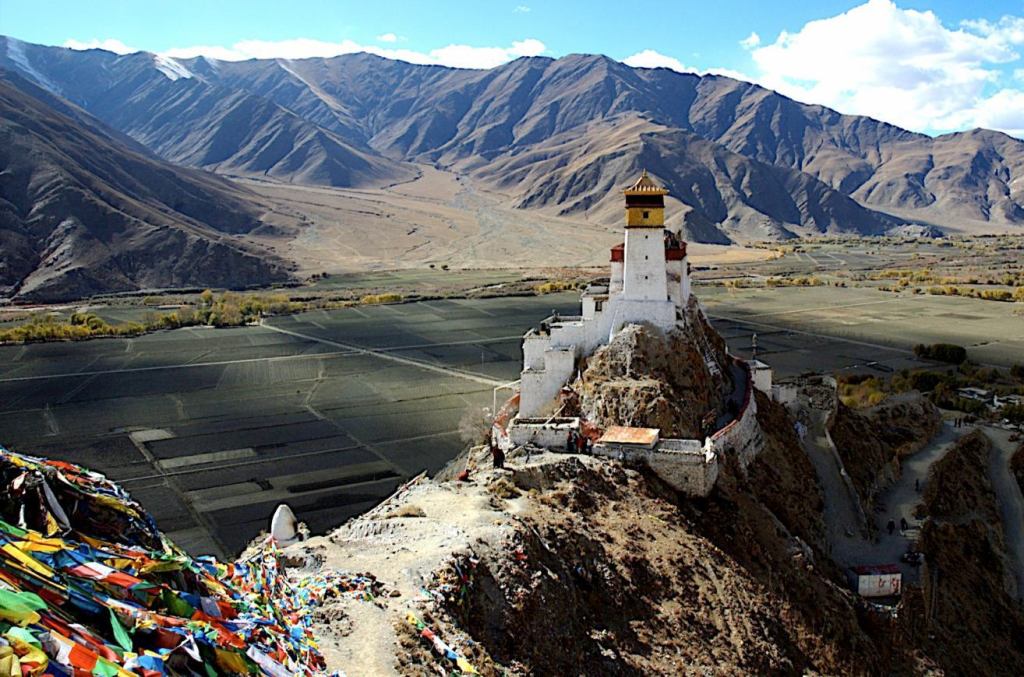
Climb again to the Karo-la (5045m) and the glacier here and continue to Gyantse, a historic town that was once an important stop on the trade routes from Tibet to Bhutan and India.
You may walk up to the ruins of the dzong (fort) for views across the town in the evening light.

Day 5

visit Pelkor Choede – drive via Shalu to Shigatse - Tashilumpo Monastery

Pelkhor Choede is the main monastery complex of Gyantse, once comprising numerous colleges belonging to different traditions of Tibetan Buddhism. Today many have been destroyed, but the main assembly hall remains magnificent and features stunning murals, frescoes, and sculptures. Within the complex is the famous Gyantse kumbum, a 13-storey mandala-stupa with more than 1,000 images.
From Gyantse to Shigatse the road follows the Nyang-chu (river) valley through farming villages and hamlets. Make a stop at Shalu, is a very beautiful C11th monastery, renovated in the C13-14 with funds provided by the Mongolian Emperor. Its wonderful artwork reflects the same traditions as those of the far western Guge area.
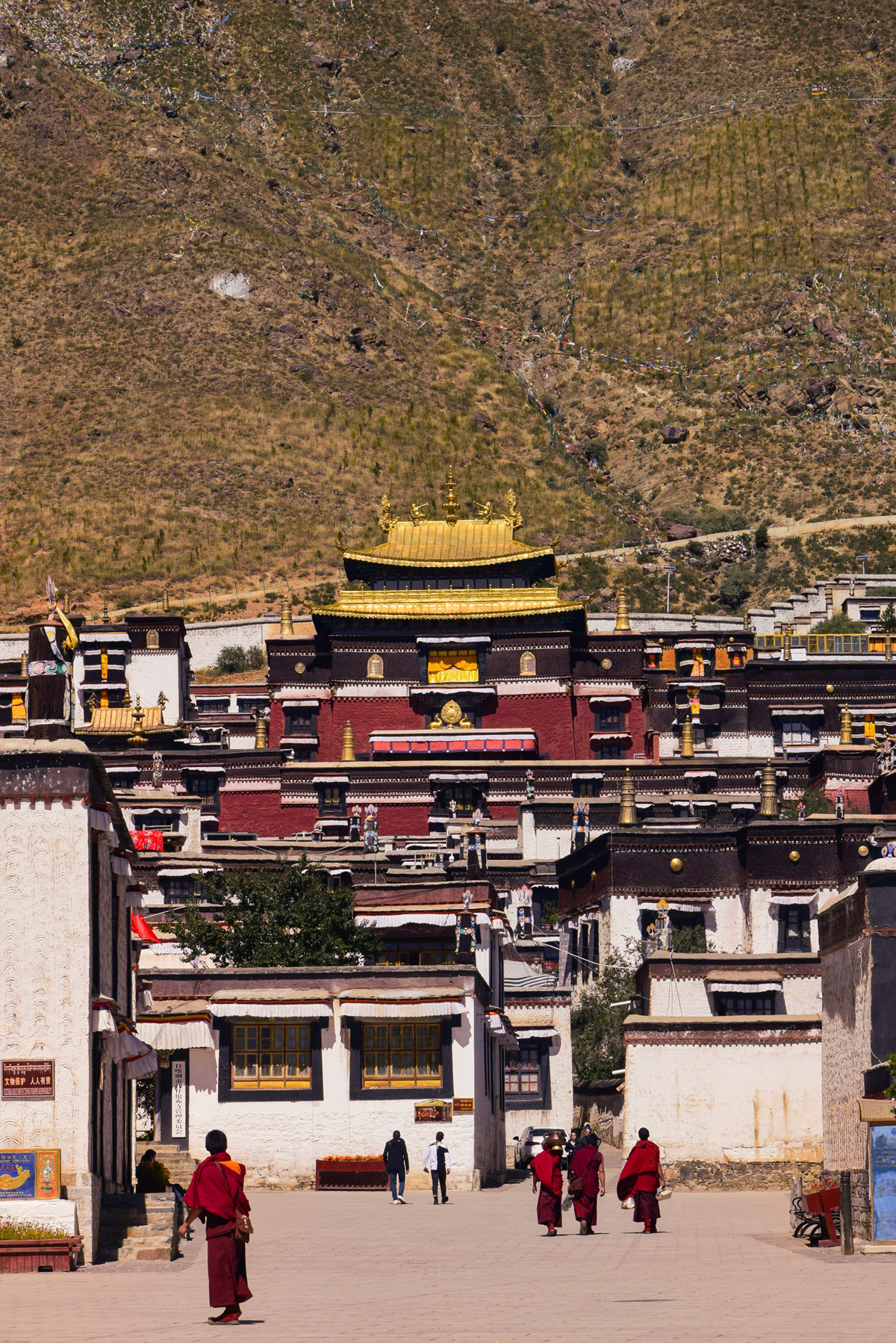
Shigatse is Tibet’s second city and home to Tashilumpo Monastery, an enormous religious complex that is also the seat of the Panchen Lama. The enormous, elaborate reliquary chorten are an incredible sight.
Here there is also the option to visit the local carpet factory where hand-woven carpets are produced using traditional designs.

Day 6

drive via Sakya gompa to Shegar

Head west along the Friendship Highway to Shegar, making a short side trip to visit Sakya.
Sakya Gompa is a historic monastery known for its unique architecture, which combines elements of Mongolian and Tibetan styles and its collection of Tibetan manuscripts. It was the seat of political power in central Tibet from the 10th to mid-14th century and the fortified monastery is still head of one of the most important schools of Tibetan Buddhism.
The drive from Sakya Gompa to Shegar offers stunning views of the surrounding landscape as you cross the 5220m Langpa-la, including snow-capped mountains, rolling hills, and traditional Tibetan villages.

Day 7

Drive to Rombuk & Everest

A little further along the highway turn off to the south and begin the climb through Qomolangma National Park – part way up you will transfer to eco-busses for the rest of the way to Rombuk.
Said to be the world’s highest monastery at 5000m, Rombuk gompa is situated to provide the perfect view directly up the valley to Mt Everest (Qomolangma). The monastery guest house provides simple, but comfortable rooms and meals in the tea house.

Day 8

drive via Paiku Tso to Lower Kyirong

Get up early to watch and photograph the sunrise on Everest – an experience you will not forget.
Then head back down from the mountain and across the Paiku-tso grasslands, a rich pasture area around the 300km2 high altitude lake. You will have great views of Mt Shishapangma (8013m) as the road continues through rugged mountain terrain to Lower Kyirong on the Nepal border.

Day 9

Cross Rasuwa border & drive to Kathmandu

Get started early crossing the border to Rasuwa in Nepal, it can be slow, especially on the Nepal side.
Say goodbye to your driver and guide and meet your vehicle for your transfer to Kathmandu. It is a lovely, scenic route, but you will notice the difference in road conditions, and we strongly recommend that you do not book departure flights for tonight.
Your trip ends on arrival in Kathmandu – you will be dropped at your hotel if you have booked this with us or in Thamel if you prefer to make your own arrangements.

Know before you go

  • A valid Chinese visa is required before we apply for your Tibet Travel Permit. Timing is confirmed once your itinerary is set.
  • Foreign visitors travel with a licensed guide in Tibet. Ours are Tibetan or long-resident specialists who know the routes and permit rules.
  • This journey is rated Moderate. We pace days for acclimatisation and will be honest if a route is unrealistic for your group.
  • Allow 9 days on the plateau, plus international arrival and departure days either side if flying via mainland China or Nepal.
  • Typical group size: Up to 60 guests. Private departures can be arranged for couples and families.
  • Altitude rises quickly after Lhasa. We build in rest where it matters and brief you on preparation before departure.

Questions

Visas, guides, altitude, and how booking works — practical answers before you travel.

Do I need a Chinese visa to travel to Tibet?

Yes. Tibet is part of China, and foreign travellers need a Chinese visa before we can apply for your Tibet Travel Permit. If you arrive via a Chinese city (Beijing, Chengdu, Xining and so on), you normally need an individual tourist “L” visa from a Chinese embassy. If you arrive from Nepal, you typically need a group visa issued in Kathmandu. Once your trip is booked and arrival plans are clear, we send detailed instructions for your route.

How do I get travel permits for Tibet?

We apply for the permits your itinerary needs. The Tibet Travel Permit (TTB) is required to board your flight or train into Tibet — we arrange delivery to Beijing, Chengdu or whichever gateway city you use. After you arrive, your guide handles on-the-ground paperwork. Extra permits can apply for Everest, Mount Kailash, Guge or parts of eastern Tibet; we list those when we propose your route.

Can I change plans at the last minute or after arrival?

Major changes are usually difficult because your itinerary and places of visit are specified on the permits, including your arrival city. Small swaps inside Lhasa — for example preferring a thangka workshop over Drepung — are often fine. Tell us as early as possible if dates or regions need to shift.

Must I travel with a guide?

Yes. Foreign visitors in Tibet must travel with a locally licensed guide. You are met at Lhasa airport, the train station or a land border, then accompanied by a licensed Tibetan guide. Ours are employed directly by us — trained, experienced and English-speaking. That does not mean they hover every minute: rules on independent wandering shift over time, but guides are generally required for monasteries and outside Lhasa. Your guide will explain the current situation; following it is a condition of travel. Treat them as an asset — their knowledge of places and customs is part of the journey.

Can I use local public transport?

Generally no. Foreigners travelling in Tibet are required to use private vehicles licensed for tourist use. In Lhasa you can use taxis or rickshaws to move around the city. Guidebooks that suggest solo public-transport travel are often outdated; guide and private-transport rules have been enforced for years and are unlikely to disappear.

What vehicles will we use?

Transport is by car, van, minibus or bus depending on the itinerary and group size. Roads on most tourist routes — including toward Kailash, Guge and Everest — are paved and in good condition. Dedicated 4WD is rarely necessary now and is often an unnecessary expense. Our drivers are experienced on plateau roads (and as mechanics). English varies, but they know the photo stops — make the effort to connect and the days are more fun.

Will I be affected by altitude?

Lhasa sits at about 3,685m. Mild headache or nausea on arrival is not unusual. Who suffers and why is poorly predicted — age and fitness are unreliable guides, and the same person can react differently on another trip. Take it easy for the first days, drink water, and do not race off the plane. Stop on stairs and breathe. Younger, fitter travellers sometimes struggle more because they overdo it. Calm breathing and realistic expectations help; hospitals in Lhasa are experienced with altitude, and very few guests cannot complete a well-paced itinerary. Discuss personal medication with your doctor before travel — we do not prescribe.

How do you pace high routes like Everest or Kailash?

We build acclimatisation into the outline before pushing higher. Everest and Kailash days are long; overnight stops matter more than a rushed checklist. If someone in a private group needs an extra rest day, we adjust when permits and hotels allow. Tell us your health context when you enquire so we can propose a realistic route.

What is travel in Tibet actually like?

Many itineraries run through remote areas. Infrastructure improves constantly, but outside main towns it is not always Western-standard. Journeys to western Tibet especially are not conventional beach holidays: conditions are harsher, events less predictable, and facilities simpler. Good organisation still sits at the mercy of weather and the unexpected — which is also where some of the best encounters happen. We brief you honestly before you book.

Are there rules about politics and photography?

No political activity may be undertaken by travellers. That includes photographing military personnel or installations, public political comment, or possessing materials linked to exile politics. These are legal regulations for travel in China/Tibet; booking with us means agreeing to abide by local law. Your guide can be held primarily responsible for guest actions — with fines, licence loss or worse in severe cases — so we ask everyone to travel carefully and respectfully.

How should I behave in monasteries?

Monasteries are working religious communities. Walk clockwise where that is custom, keep voices low, and ask before photographing statues or monks — some halls ban cameras. Cover shoulders and knees. Your guide briefs you before each visit. Curiosity and respect are enough; we never pressure guests into religious participation.

How far ahead should I book?

Two to three months is comfortable for permits and peak-season hotels. Festival weeks and popular Everest or Kailash dates fill earlier. Shorter lead times are often possible — write with your dates and we will say honestly what is realistic.

Private journey or fixed departure?

Private trips match your dates, pace and group size with your own vehicle and guide. Fixed departures suit solo travellers or small parties who want a set outline and shared costs. Both still require permits and a licensed guide. Tell us how you prefer to travel and we will recommend a fit.

How do I start planning?

Use Plan a trip on the site, or email dates, group size and regions of interest. Our Lhasa team replies within one business day with realistic options — not a hard sell. If a request does not fit the season or altitude profile, we say so.

9 days From on request
Request quote