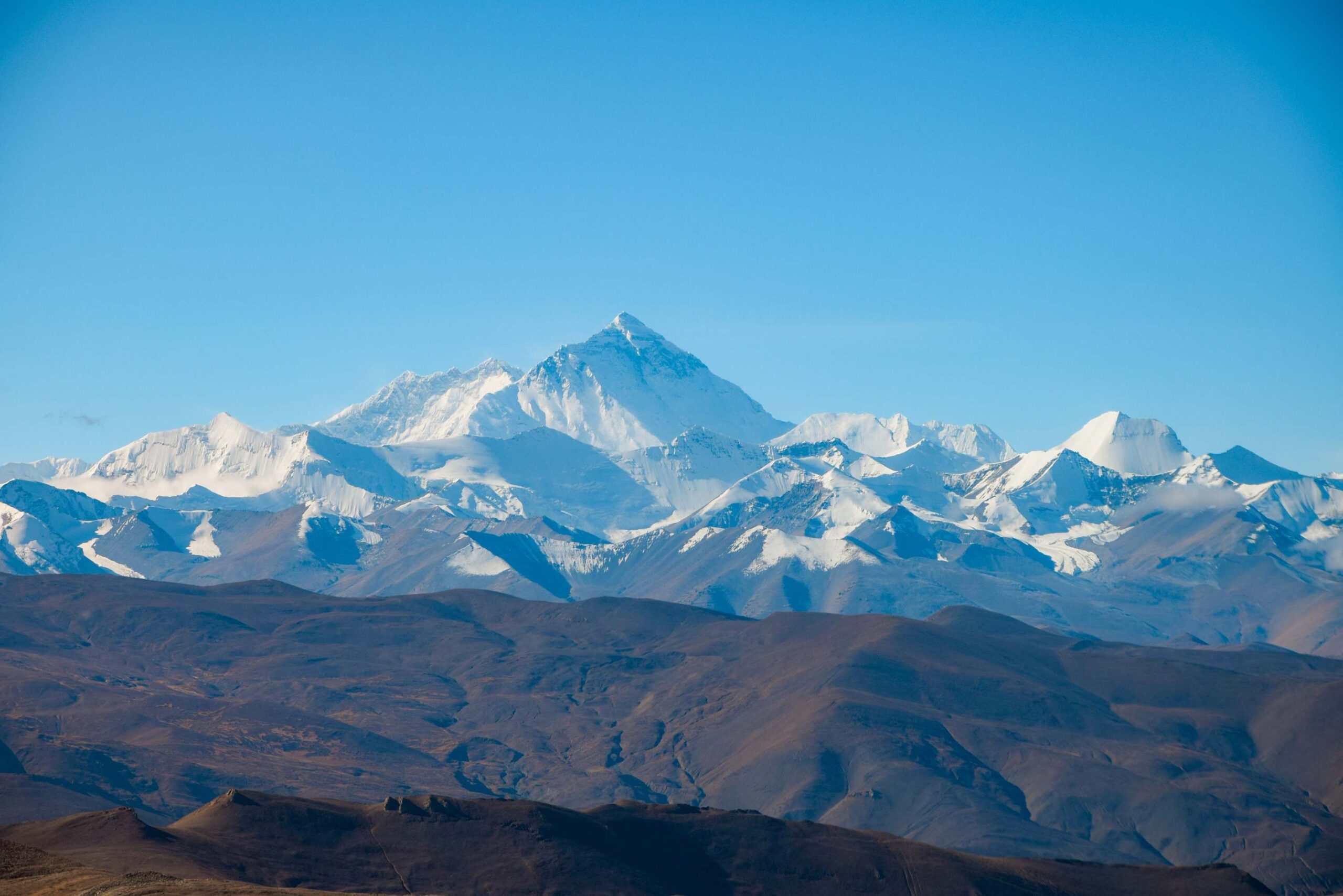
Altitude affects everyone differently. Some guests feel fine on day one in Lhasa, while others need a quieter start. Altitude sickness in Tibet is common enough that we build our itineraries around it, so you can ease into the plateau instead of sprinting from the airport to a high pass. This guide explains what to expect and how to look after yourself.
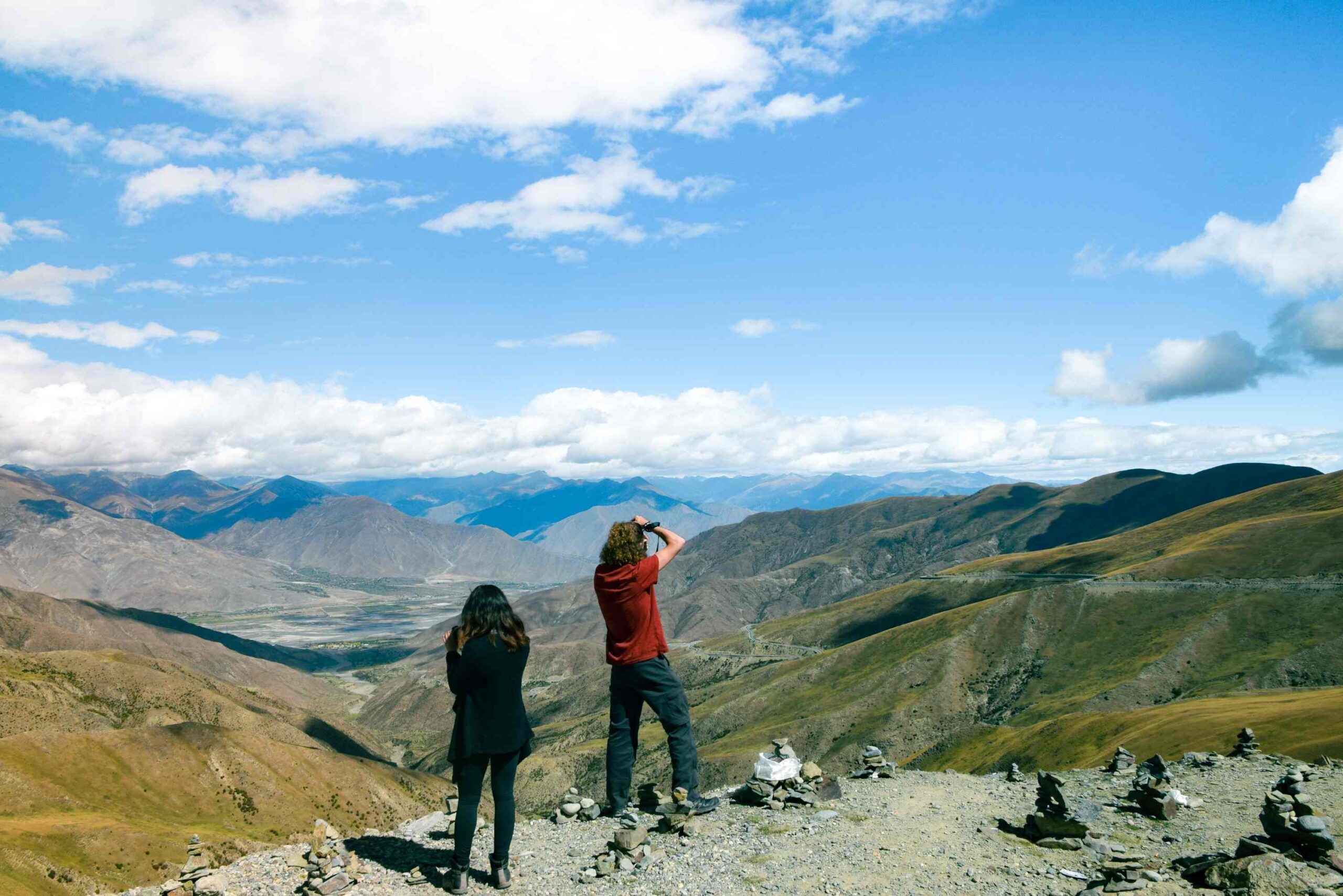
Why altitude sickness in Tibet happens
Lhasa sits at around 3,650 metres, and the air holds noticeably less oxygen than at sea level. Your body needs time to adjust. Age and fitness don’t reliably predict who will struggle, so a marathon runner can feel unwell while someone less athletic feels fine. What matters most is how gradually you go up and how you treat the first few days.
Symptoms of altitude sickness to watch for
Mild symptoms are common in the first days and usually include:
- Headache
- Nausea or loss of appetite
- Dizziness or light-headedness
- Unusual tiredness
- Disturbed sleep
If these appear, rest, drink water, and tell your guide. Don’t push on to prove a point.
Serious warning signs need immediate action. These include severe breathlessness at rest, a persistent cough, confusion, loss of coordination or extreme drowsiness. Tell your guide at once. The standard response is to stop going higher and get medical help, and your guide will arrange it.
The first 48 hours in Lhasa
We keep early days light: the Jokhang and Barkhor at an easy pace, short drives, plenty of water and plenty of sleep. Alcohol and heavy exertion on arrival are a poor idea. Walk slowly, climb stairs one step at a time, and eat light meals. Our Short Breaks in Lhasa and Lhasa & Samye 5-day trip itineraries are built around a gentle start.
If you take medication for altitude, discuss it with your doctor before you travel. We don’t prescribe or recommend medication, and this article isn’t medical advice.
Older travellers often ask us about pacing. We keep the first days light, which suits senior travellers in Tibet especially well.
Going higher: Namtso, Everest and Kailash
After Lhasa, altitude climbs in stages. Shigatse sits at roughly 3,800 metres, Namtso at around 4,700 and Everest Base Camp at roughly 5,200. The Kailash circuit crosses a pass above 5,600 metres. Each step is easier when your body has had time to adjust beforehand.
If someone in your group struggles, we adjust. A flexible private itinerary is often wiser than a packed checklist for first-time visitors.
Practical tips to reduce the risk
- Don’t rush. Spend your first days in Lhasa before heading higher.
- Drink plenty of water. Dry air and altitude both dehydrate you.
- Skip alcohol and avoid smoking on arrival.
- Sleep and rest. Early nights help more than an extra sight.
- Be honest with your guide. Telling them early lets us change the plan.
- Check your travel insurance. Make sure it covers high-altitude travel.
Altitude sickness in Tibet: common questions
Can I prevent altitude sickness completely?
No, but a slow start, hydration and a flexible itinerary lower the risk and ease the symptoms.
Is Tibet safe for first-time visitors with health conditions?
Many people with health conditions travel here, but speak to your doctor before booking.
What if I feel unwell on the trip?
Tell your guide immediately. We can slow the pace, rest a day or change the route.
Plan a trip that respects altitude
Tell us your health context when you enquire. Honest planning beats an ambitious route you can’t enjoy. Our Lhasa team replies within one business day. Use Plan a trip or email info@shigatsetravels.com. You can also check the FAQs for permits and practical questions.