Kailash & The West

Tibet – The Great North Road

See itinerary

20 days · From on request

Request a free quote

Overview

It doesn’t get any better than this!
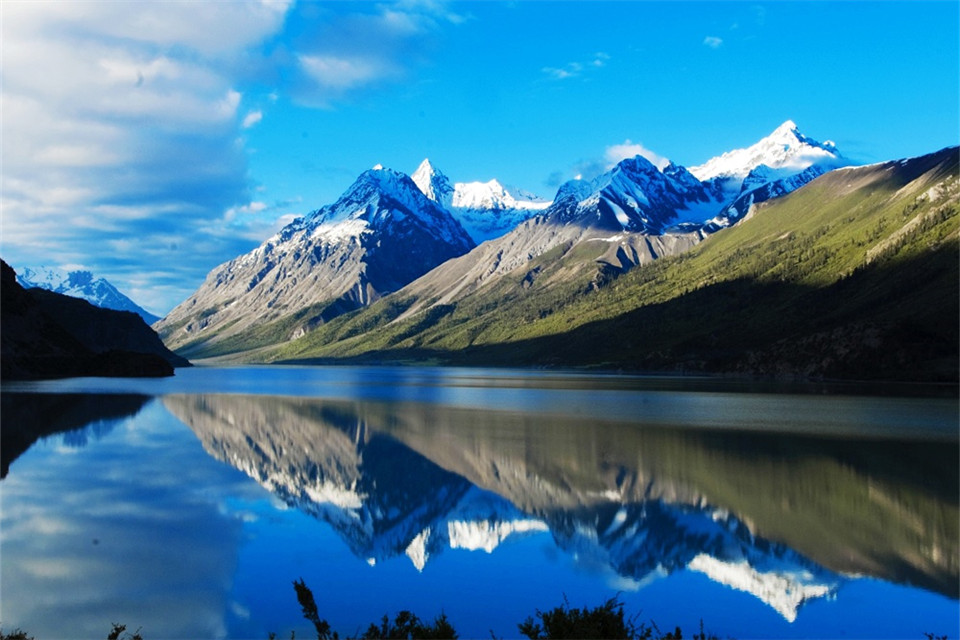
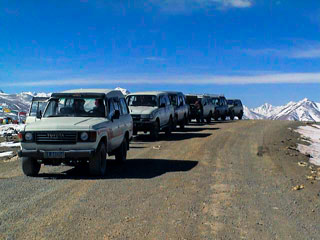
Traverse the vast expanse of the Changtang – the high Tibetan plateau, one of the most remote and untraveled regions on earth.

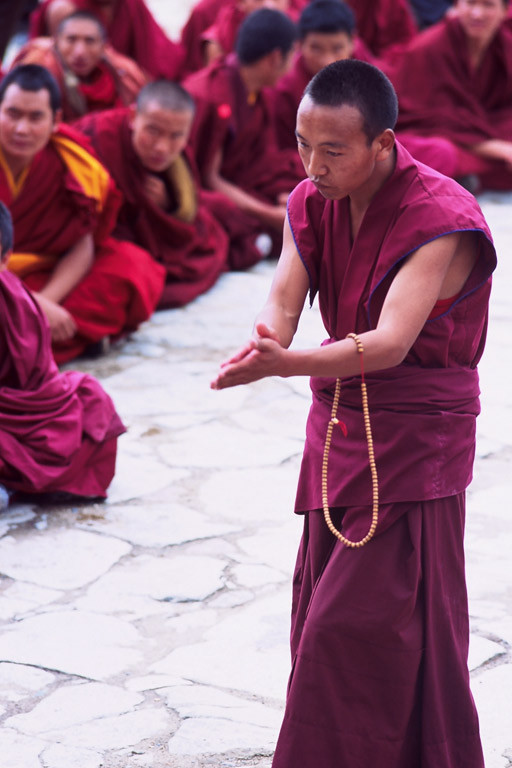
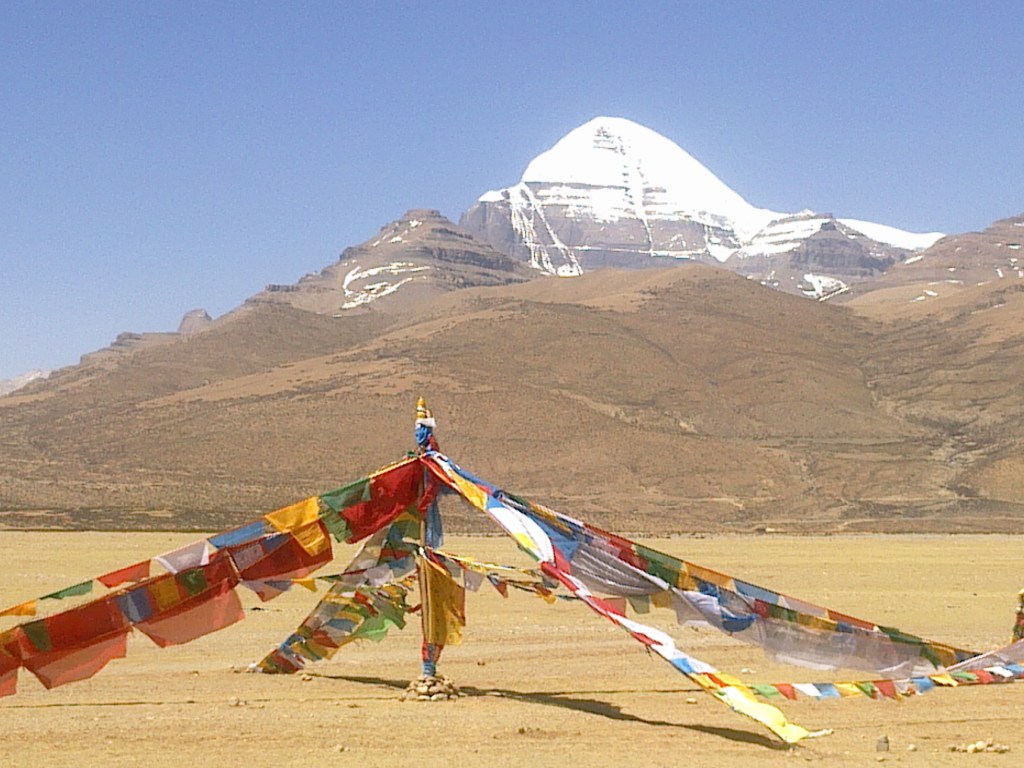
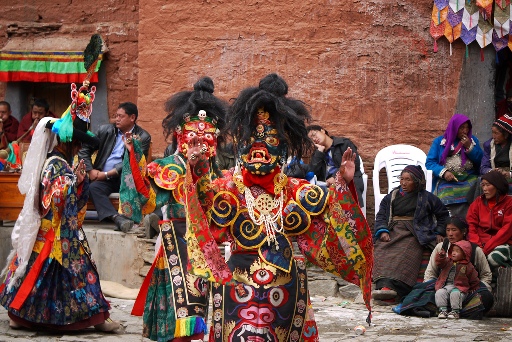
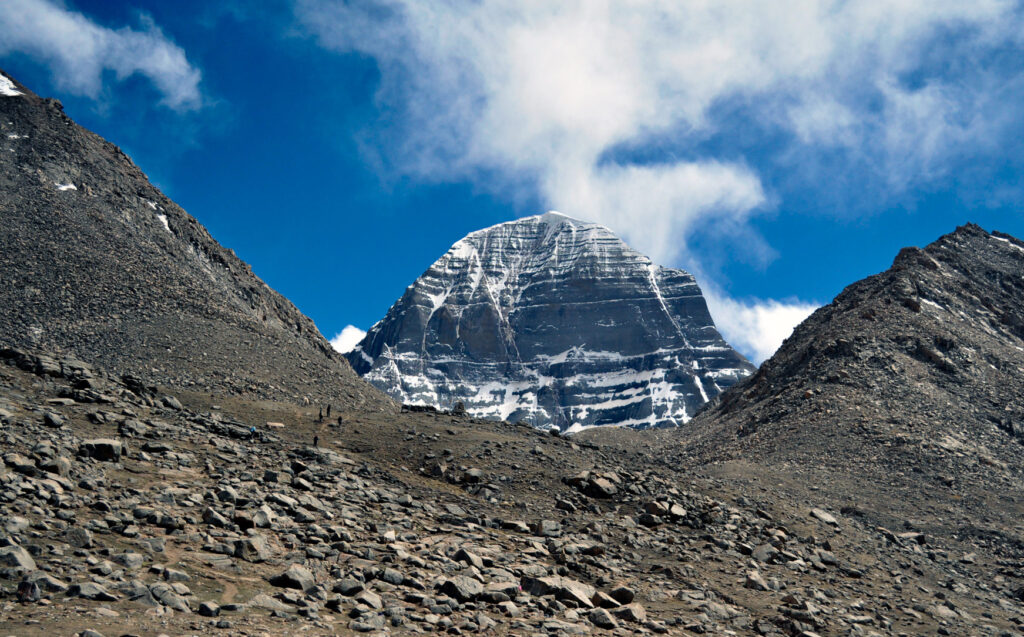
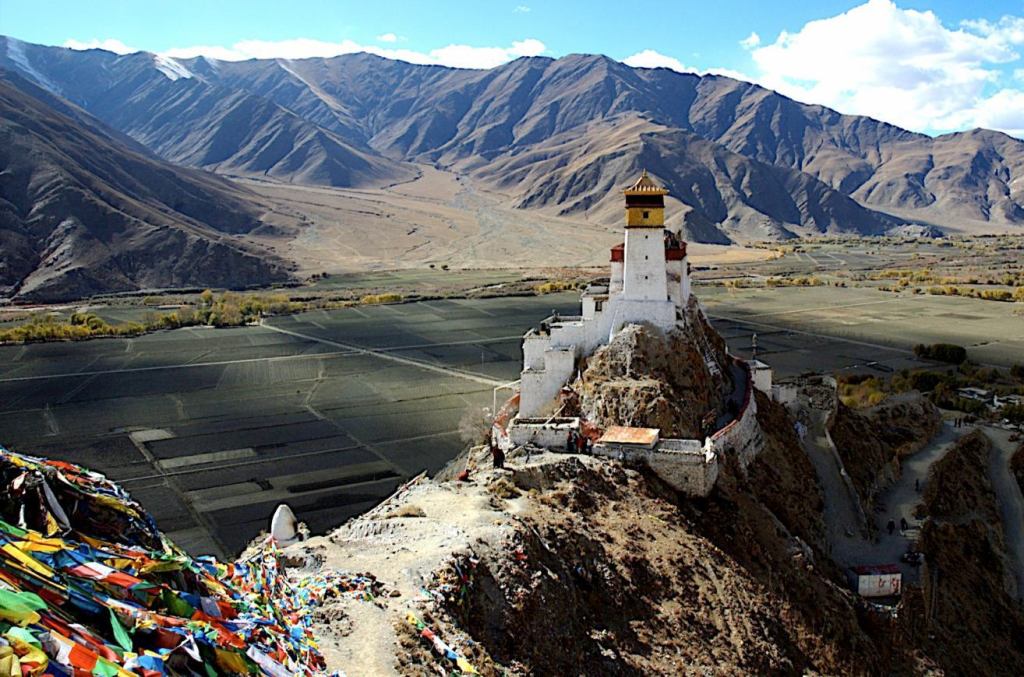
These routes explore all the highlights of the great monastic centres of Central Tibet; The sacred mountain of Kailash; the Brahmaputra, Indus & Sutlej rivers and ancient capitals as well as vast spaces, lakes, wetlands & rivers, incredible colours and an abundance of bird and animal life – marmot, pica, deer, Tibetan antelope, wild horse, ducks, black necked ibis and even, if you are lucky, wild yak.
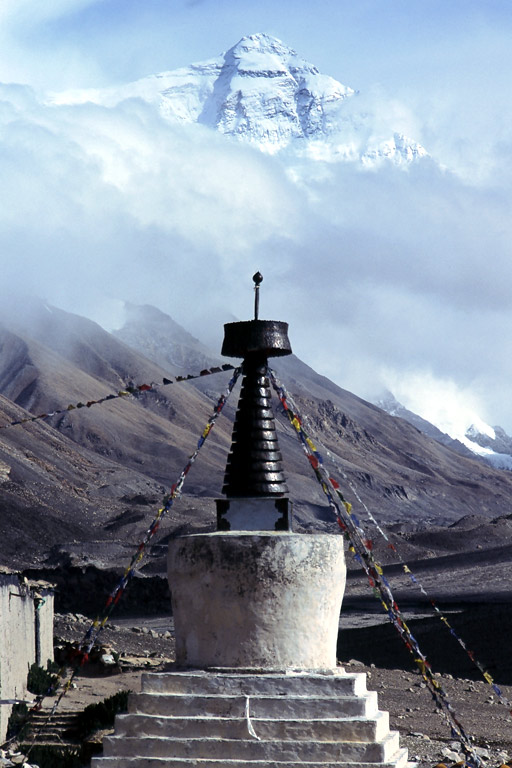
Travel from Lhasa via the scenically stunning northern road to Ali in far western Tibet, before turning south into the utterly different landscapes surrounding the ancient Kingdom of Guge, then east via Mount Kailash and Lake Manasarovar, before turning south across grasslands via Mt Shishapangma to Everest.


Itinerary

Tibet – The Great North Road

Day 1

The Great North Road (20+ days)

Lhasa – Namtso – Namru – Siling Tso – Nyima – Gertse – Ali – Tsada & Guge – Tirthapuri – Mount Kailash – Lake Manasarovar – Everest – Shigatse – Gyantse – Yamdrok Lake – Lhasa

Day 2

The ‘Short’ North Road (17+ days)

Lhasa - Gyantse - Sakya - Tsochen - Gertse - Ali - Guge - Mount Kailash - Lake Manasarovar - Kyirong - Kathmandu

Day 3

Note :

Note: Options to/from Kashgar and circuits via the north road are incredible journeys, but they are NOT for the budget traveller - transport (petrol) is the greatest single expense for travel in Tibet and here the distances are vast.
Vehicle cost is the same for 1-5 travellers (4 more comfortable) so work on getting a group of friends together for these adventures.
& no, camping will not reduce costs - will add to them as have equipment, food, cook … plus extra vehicle to carry them.

Know before you go

  • A valid Chinese visa is required before we apply for your Tibet Travel Permit. Timing is confirmed once your itinerary is set.
  • Foreign visitors travel with a licensed guide in Tibet. Ours are Tibetan or long-resident specialists who know the routes and permit rules.
  • This journey is rated Moderate. We pace days for acclimatisation and will be honest if a route is unrealistic for your group.
  • Allow 20 days on the plateau, plus international arrival and departure days either side if flying via mainland China or Nepal.
  • Typical group size: Up to 1 guests. Private departures can be arranged for couples and families.
  • Altitude rises quickly after Lhasa. We build in rest where it matters and brief you on preparation before departure.

Questions

Visas, guides, altitude, and how booking works — practical answers before you travel.

Do I need a Chinese visa to travel to Tibet?

Yes. Tibet is part of China, and foreign travellers need a Chinese visa before we can apply for your Tibet Travel Permit. If you arrive via a Chinese city (Beijing, Chengdu, Xining and so on), you normally need an individual tourist “L” visa from a Chinese embassy. If you arrive from Nepal, you typically need a group visa issued in Kathmandu. Once your trip is booked and arrival plans are clear, we send detailed instructions for your route.

How do I get travel permits for Tibet?

We apply for the permits your itinerary needs. The Tibet Travel Permit (TTB) is required to board your flight or train into Tibet — we arrange delivery to Beijing, Chengdu or whichever gateway city you use. After you arrive, your guide handles on-the-ground paperwork. Extra permits can apply for Everest, Mount Kailash, Guge or parts of eastern Tibet; we list those when we propose your route.

Can I change plans at the last minute or after arrival?

Major changes are usually difficult because your itinerary and places of visit are specified on the permits, including your arrival city. Small swaps inside Lhasa — for example preferring a thangka workshop over Drepung — are often fine. Tell us as early as possible if dates or regions need to shift.

Must I travel with a guide?

Yes. Foreign visitors in Tibet must travel with a locally licensed guide. You are met at Lhasa airport, the train station or a land border, then accompanied by a licensed Tibetan guide. Ours are employed directly by us — trained, experienced and English-speaking. That does not mean they hover every minute: rules on independent wandering shift over time, but guides are generally required for monasteries and outside Lhasa. Your guide will explain the current situation; following it is a condition of travel. Treat them as an asset — their knowledge of places and customs is part of the journey.

Can I use local public transport?

Generally no. Foreigners travelling in Tibet are required to use private vehicles licensed for tourist use. In Lhasa you can use taxis or rickshaws to move around the city. Guidebooks that suggest solo public-transport travel are often outdated; guide and private-transport rules have been enforced for years and are unlikely to disappear.

What vehicles will we use?

Transport is by car, van, minibus or bus depending on the itinerary and group size. Roads on most tourist routes — including toward Kailash, Guge and Everest — are paved and in good condition. Dedicated 4WD is rarely necessary now and is often an unnecessary expense. Our drivers are experienced on plateau roads (and as mechanics). English varies, but they know the photo stops — make the effort to connect and the days are more fun.

Will I be affected by altitude?

Lhasa sits at about 3,685m. Mild headache or nausea on arrival is not unusual. Who suffers and why is poorly predicted — age and fitness are unreliable guides, and the same person can react differently on another trip. Take it easy for the first days, drink water, and do not race off the plane. Stop on stairs and breathe. Younger, fitter travellers sometimes struggle more because they overdo it. Calm breathing and realistic expectations help; hospitals in Lhasa are experienced with altitude, and very few guests cannot complete a well-paced itinerary. Discuss personal medication with your doctor before travel — we do not prescribe.

How do you pace high routes like Everest or Kailash?

We build acclimatisation into the outline before pushing higher. Everest and Kailash days are long; overnight stops matter more than a rushed checklist. If someone in a private group needs an extra rest day, we adjust when permits and hotels allow. Tell us your health context when you enquire so we can propose a realistic route.

What is travel in Tibet actually like?

Many itineraries run through remote areas. Infrastructure improves constantly, but outside main towns it is not always Western-standard. Journeys to western Tibet especially are not conventional beach holidays: conditions are harsher, events less predictable, and facilities simpler. Good organisation still sits at the mercy of weather and the unexpected — which is also where some of the best encounters happen. We brief you honestly before you book.

Are there rules about politics and photography?

No political activity may be undertaken by travellers. That includes photographing military personnel or installations, public political comment, or possessing materials linked to exile politics. These are legal regulations for travel in China/Tibet; booking with us means agreeing to abide by local law. Your guide can be held primarily responsible for guest actions — with fines, licence loss or worse in severe cases — so we ask everyone to travel carefully and respectfully.

How should I behave in monasteries?

Monasteries are working religious communities. Walk clockwise where that is custom, keep voices low, and ask before photographing statues or monks — some halls ban cameras. Cover shoulders and knees. Your guide briefs you before each visit. Curiosity and respect are enough; we never pressure guests into religious participation.

How far ahead should I book?

Two to three months is comfortable for permits and peak-season hotels. Festival weeks and popular Everest or Kailash dates fill earlier. Shorter lead times are often possible — write with your dates and we will say honestly what is realistic.

Private journey or fixed departure?

Private trips match your dates, pace and group size with your own vehicle and guide. Fixed departures suit solo travellers or small parties who want a set outline and shared costs. Both still require permits and a licensed guide. Tell us how you prefer to travel and we will recommend a fit.

How do I start planning?

Use Plan a trip on the site, or email dates, group size and regions of interest. Our Lhasa team replies within one business day with realistic options — not a hard sell. If a request does not fit the season or altitude profile, we say so.

20 days From on request
Request quote