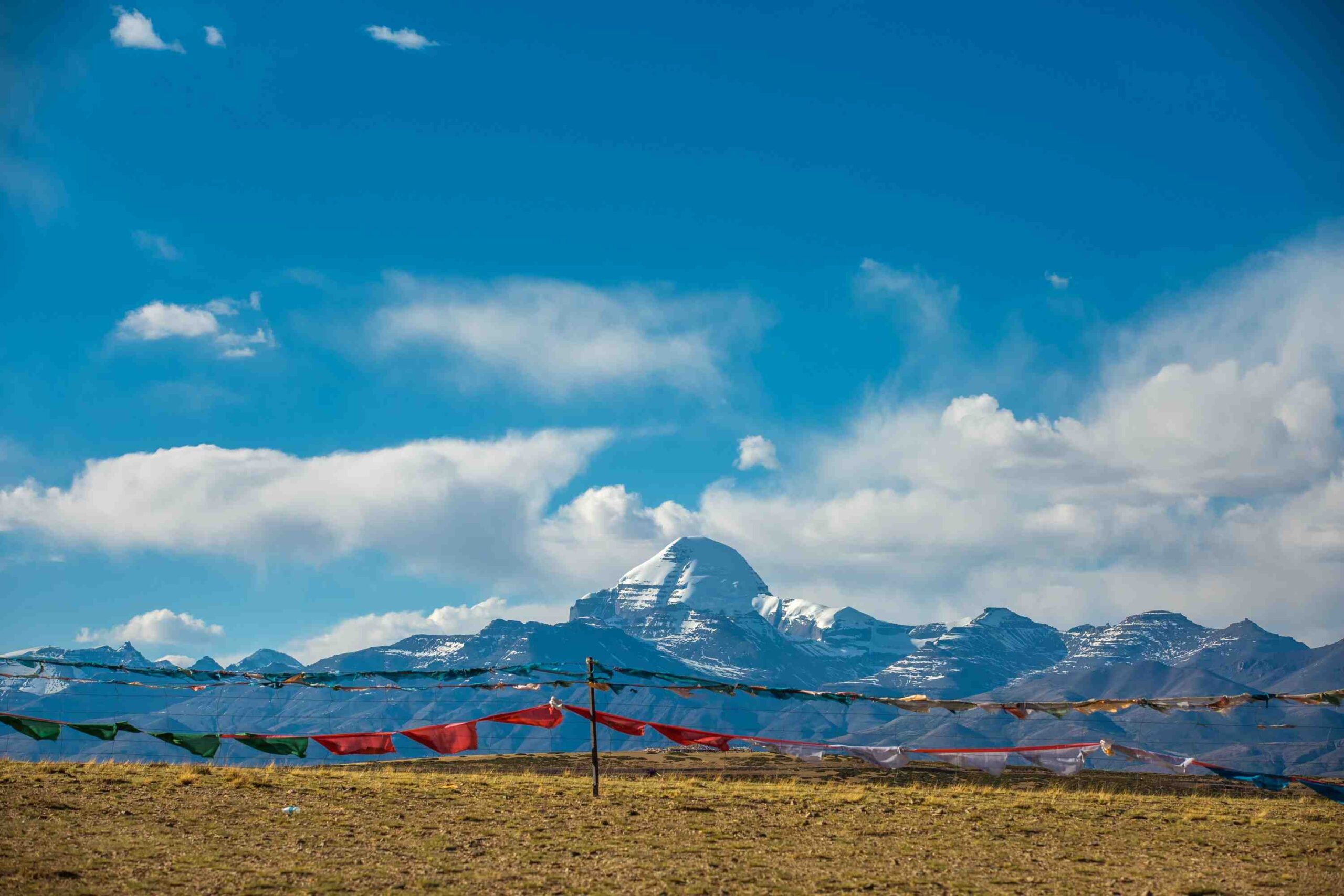
The Mount Kailash kora is one of the most meaningful journeys on the Tibetan plateau, and one of the most physically demanding. Altitude, weather, and trail conditions all matter far more than a brochure’s day count. This guide explains how the circuit works, how we pace it, and what to consider before you commit.
What is the Mount Kailash kora?
A kora is a pilgrimage circuit. Kailash is sacred to Buddhists, Hindus, Jains, and followers of Bon, and walking around it is an act of devotion. The circuit is roughly 52 kilometres, and pilgrims traditionally walk it clockwise, while Bon followers go the other way. Many people walk it for spiritual reasons, others for the landscape, and you’ll find both on the trail. To understand the faith behind the walk, take a look at these Himalayan Buddhist traditions.
Pacing the Mount Kailash kora
Most visitors walk the circuit over three days, crossing the Dolma La pass on the second day. The usual rhythm looks like this:
- Day 1: an easier walking day to your first overnight stop.
- Day 2: the hardest day, with the long climb to Dolma La and a steep descent.
- Day 3: a shorter walk back to the start.
Distances and stops can vary, so we confirm the exact plan for your group. Never treat the three-day outline as a minimum fitness test. It’s a pacing guide, and your guide adjusts it for conditions on the day.
Why Dolma La is the challenge
Dolma La sits at roughly 5,600 metres, among the highest points most trekkers will ever reach. The climb is steady, and the air is thin, so pace matters more than strength. Walk slowly, rest often, and drink water. Weather can change quickly up there, so layers and waterproofs are essential.
Why we never rush the western approach
We build approach days via Saga or Manasarovar, so you arrive with better acclimatisation. Skipping those days to “save time” is how trips go wrong. Your body needs time to adapt before the circuit, and a rushed schedule raises the risk of altitude sickness at exactly the wrong moment. For symptoms to watch for and how we manage the early days, read our guide to altitude advice for first-time Tibet visitors.
Who the Kailash kora suits
Fitness helps, but so does humility about altitude. Many people who regularly hike still struggle at this height, and some less athletic travellers do well because they pace themselves.
We brief every guest on packing, rest days, and when to turn back. Private groups can adjust timing, while fixed departures follow a tested outline with guides who know the trail. Ask us about support options if you’re worried about the distance.
What to prepare before the kora
- Build in acclimatisation days on the way, and don’t shorten them.
- Train with long, steady walks and hill work in the weeks before.
- Pack for sudden weather: warm layers, waterproofs, a hat and gloves.
- Break in your boots well before you travel.
- Check your travel insurance covers trekking at high altitude.
- Talk to your doctor about altitude and any medication.
Is the Mount Kailash kora right for you?
Honest planning beats an ambitious route you can’t enjoy. If Kailash is your goal, write to us with your dates and walking experience. We’ll say clearly whether the season and your timeline support a full kora, and suggest changes if they don’t.
Mount Kailash kora: common questions
How long does the Mount Kailash kora take?
Most visitors walk it over three days, crossing Dolma La on day two.
Is the kora dangerous?
It’s demanding mainly because of altitude. With proper acclimatisation, a steady pace and a guide who knows the trail, many visitors complete it. We’ll also tell you when to turn back.
Can I do it on a private trip?
Yes. Private groups can adjust timing, while fixed departures follow a set outline.
Plan your Mount Kailash kora
See our Kailash and the West page for routes, or browse all tours. Our Lhasa team replies within one business day. Use Plan a trip or email info@shigatsetravels.com.